CYPRES Save Report: Dislocated Shoulder
Wednesday, March 18, 2026
- Joel Strickland
- 3/18/26
- 0
- Education and training, Saves
Being saved by your CYPRES is an unlikely but always possible result of going skydiving. When an activation happens and a life is saved, the things we can learn from it are sometimes very clear, other times more subtle, and occasionally only related to the most useful things we can share as educational content. David’s save report is one where some adjacent knowledge would not have changed anything for him, but might for someone else…
…
The Report
I started skydiving for the first time back in 1976, at a little drop zone in Waynesville, Ohio. I completed 35 jumps over about two years, but then life took priority. Family, career, money, time and all that – but I had always wanted to do it again. I started jumping again back in 2011. We had raised our boys and they were grown and gone, so it was time to get back in the sport. In 2017 we sold the big house and moved closer to the DZ. I am fortunate to now live 5 miles away from the DZ, where I am a part of a few different regular groups of 10-20 jumpers – depending on who shows up.
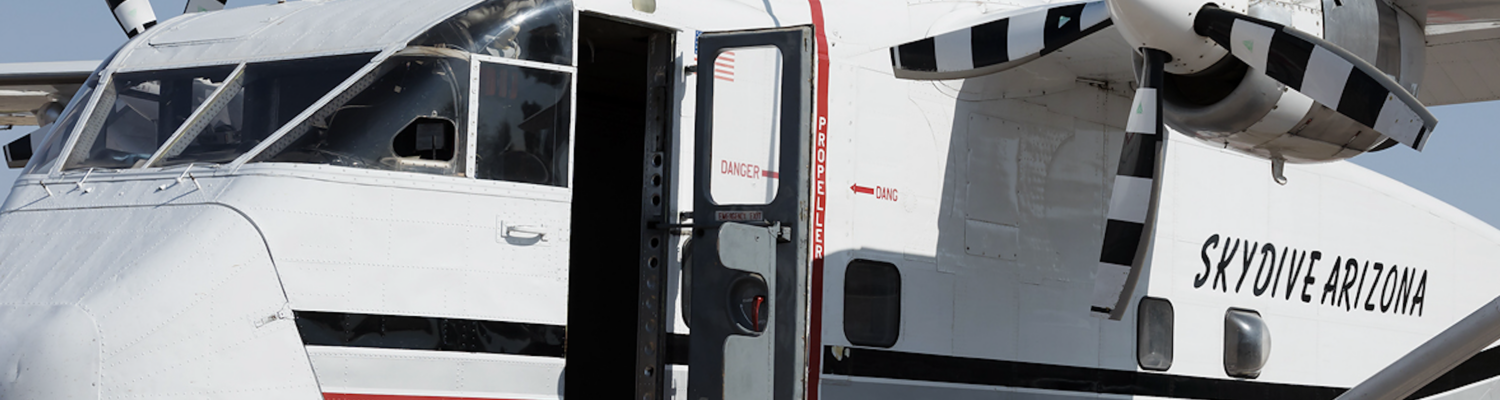
The jump in question was an 11-way and was the fourth jump of the day. I had been positioned into the six person exit chunk from the Skyvan. As soon as we went out there must have just been too much pull on my right arm, and my shoulder just popped right out. I remember releasing my grip and flying away from the formation, but I had no control over my right arm. I am not sure exactly when I started blacking out, but I am sure I was unconscious for most of the skydive due to the pain.
Below is a nicely made video with some Skyvan Specifics:
I think I woke up for a few seconds when my audibles went off, as I remember looking at my altimeter at 5000ft. I couldn’t use my right arm to get to my pilot chute, and when I tried to see and reach for my reserve handle, I think I really wasn’t conscious enough to really focus on getting hold of it. I believe my final audible alarm woke me up again at 2000ft, and I remember thinking at that point that I am just going to have to rely on my CYPRES to do it’s thing. So I just tried to stay stable while looking down at the ground and thinking okay, any time now.
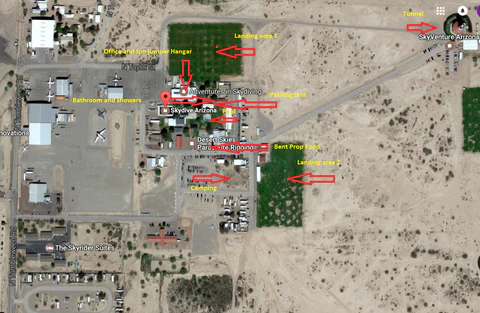
I landed in the desert close to the landing area. A military group was training there – so three of them were on me right away. I think one of the reasons I didn’t get hurt on landing was by being still barely conscious and quite limp. I kind of remember my reserve opening, and trying to get my feet together and out in front so I could take the first impact and roll. Then I blacked out again and woke up when it was all over. I was lucky to not have any further injuries, as with your brakes stowed and with no flare you come in pretty hot. I thought my landing must have gone pretty well, but the military personnel that saw me suggested it wasn’t perhaps as pretty as I thought because I cartwheeled two or three times before I stopped.
In the video below, Stefan Tripke takes us through managing a parachute with one arm:
Although I am 150 pounds and so not normally base material, I have a lot of experience launching from Skyvans. I am usually diving or floating, but I have exited in chunks plenty of times. We have looked through the video, and everything looks alright about the exit. We couldn’t put a finger on anything wrong with it that would cause an injury. It seems like it was something that just caught my shoulder in the wrong position at the wrong time. When I broke off from the jump, nobody followed me as I was still stable and flying on my belly. Everyone knows me, and they understand it is not like me to go low, but as there seemed to be nothing majorly out of the ordinary they continued with the jump. They just thought that I had missed the exit and gone low.
So I have got to keep my arm immobile in a sling for around four weeks, and then start PT for another four to eight. I have an MRI scheduled and will get a second opinion from a shoulder expert just to be sure I am on the right path. The sport changed so much in my 35 year gap. I don’t really remember much about the gear from way back when I did my first jumps, but the sport is so different now. The equipment is so much better and safer.
…
Conclusions
In most of the skydiving world, jumping from a tailgate aircraft is an occasional thing perhaps reserved for attending an event every now and then, or maybe when your dropzone gets a Skyvan for a long weekend in the Summer. The unfamiliar configuration of exiting from the back can easily cause messy exits, and it is easy to imagine an end result being a dislocated shoulder. In the US Southwest, jumping from a Skyvan is much more accessible and David has a lot of experience doing so – to the point where no specific errors were made. Having said that, we should all be diligent to plan and practice our exit setups.
Dislocated shoulders are an injury that can simply just happen sometimes. Ask any tunnel instructor who has served for a couple of years to tell you how no accident is required for someone’s shoulder to pop out. Having this happen can cause anything from painful discomfort (sometimes) to total agony (more often). If you are unconscious, there is not a lot you can do, but there are also people out there who have invested time sharing how to function when skydiving with one available arm.
Even at well organsied events with highly experienced skydivers, sometimes things can just happen. This is why the CYPRES unit exists.
Adventure, Tips, and Adrenaline
Subscribe to Our Newsletter
By signing up for our newsletter you declare to agree with our privacy policy.