How Wet is Wet?
Thursday, February 5, 2026
- Joel Strickland
- 2/05/26
- 0
- General
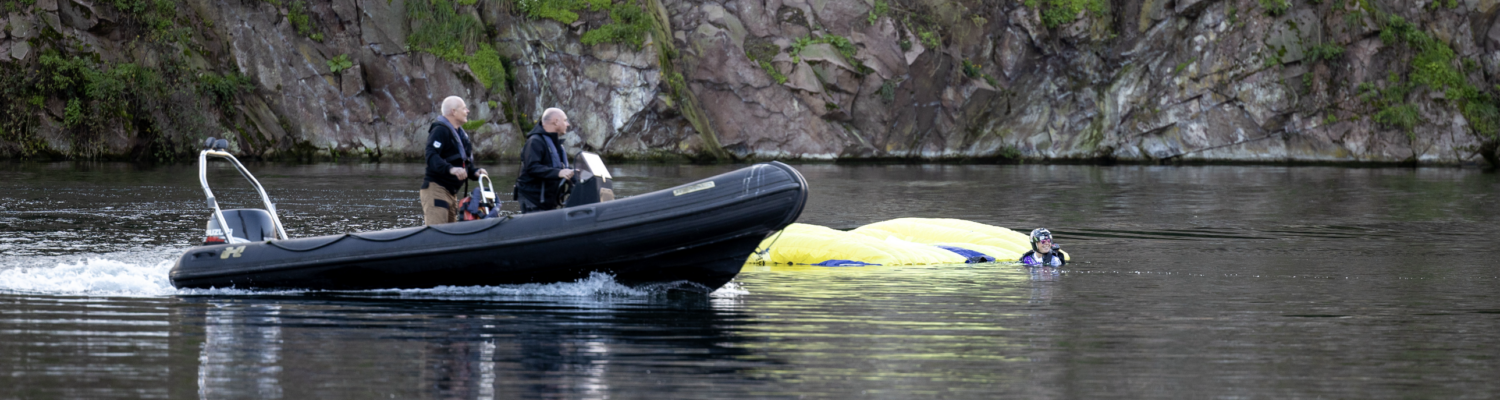
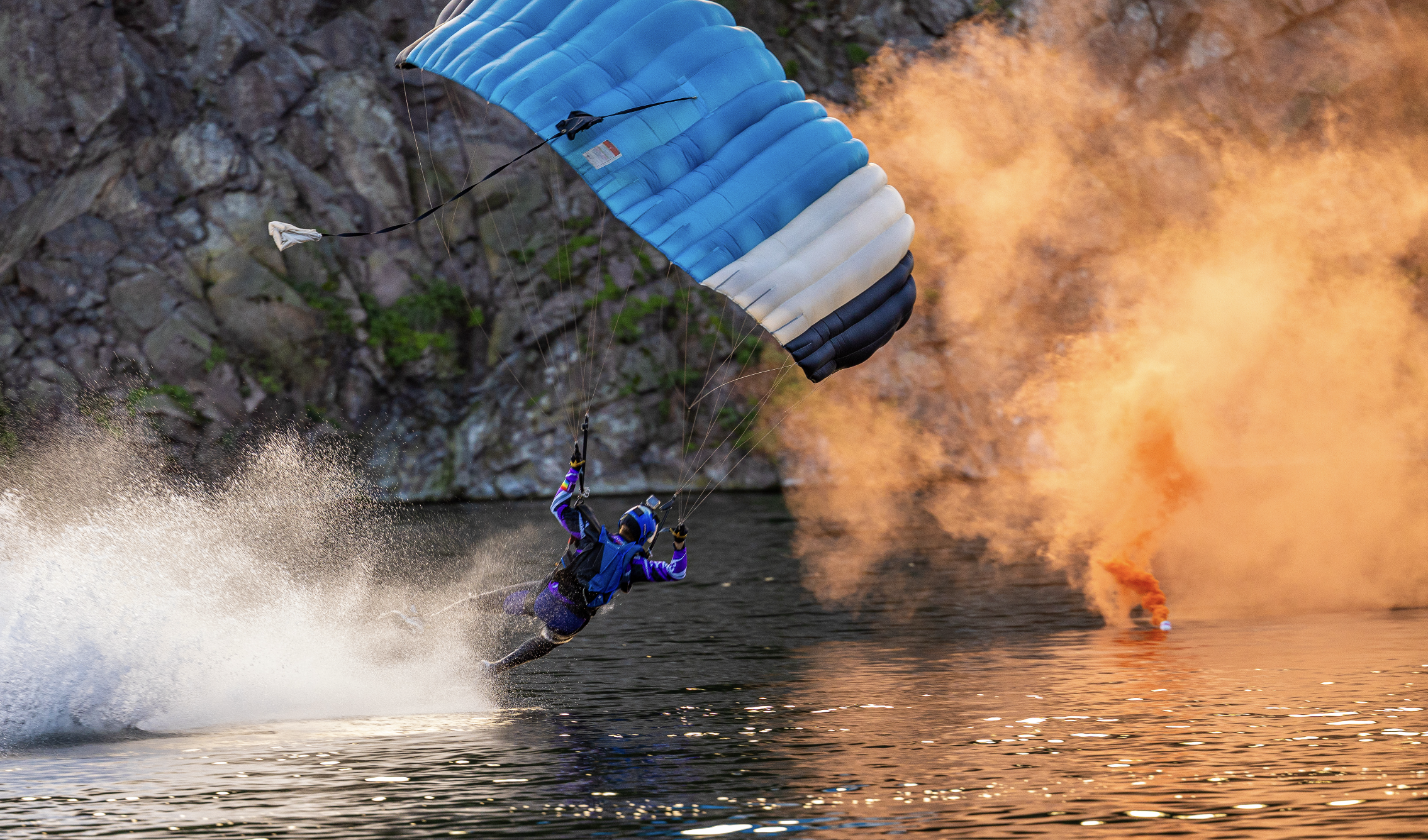
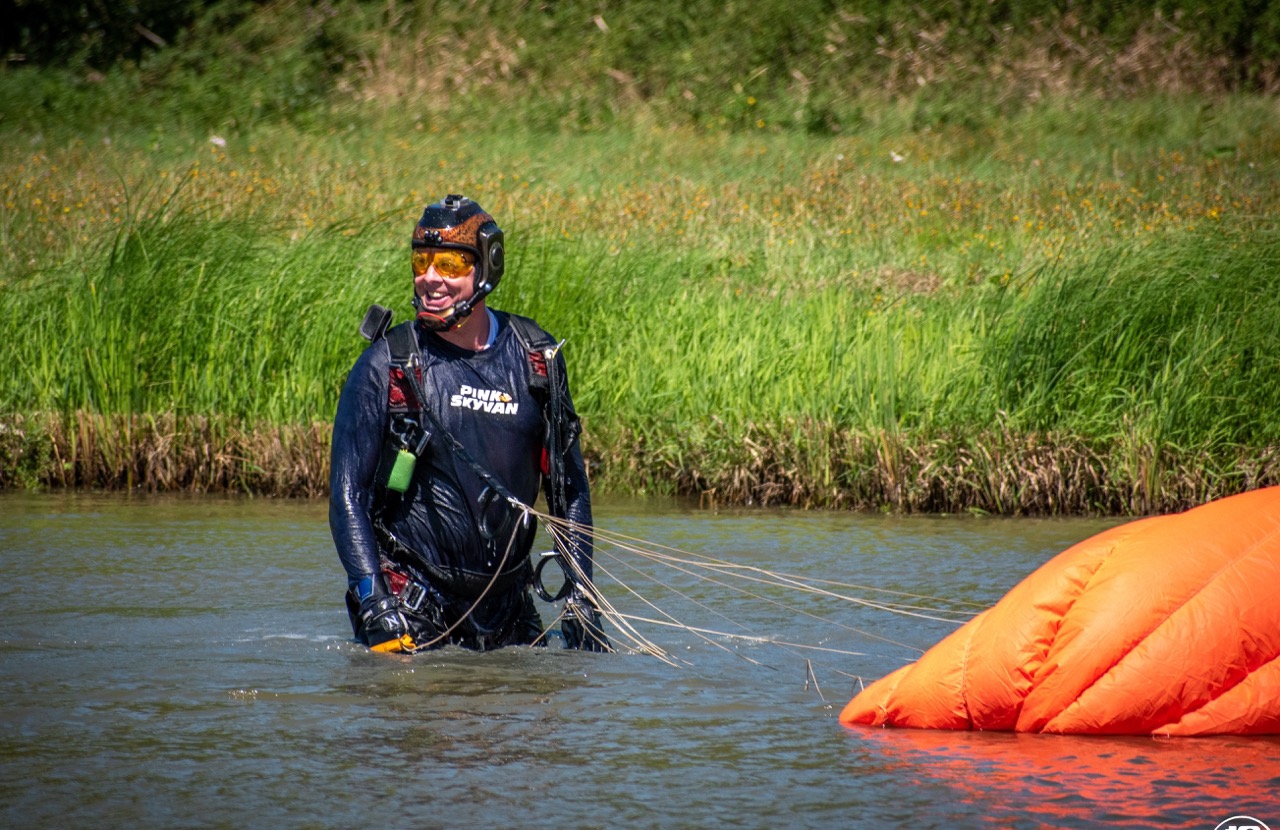
Back in the day, messing up a swoop and getting dunked in the pond meant being done until your equipment was dry. This included popping your reserve, hanging everything up and finding someone available to re-pack it for you. At some point, somewhere, somebody decided that they were still dry enough that it was both safe enough to go again, and that doing so would even dry them out faster than spreading all their shit out on the grass.
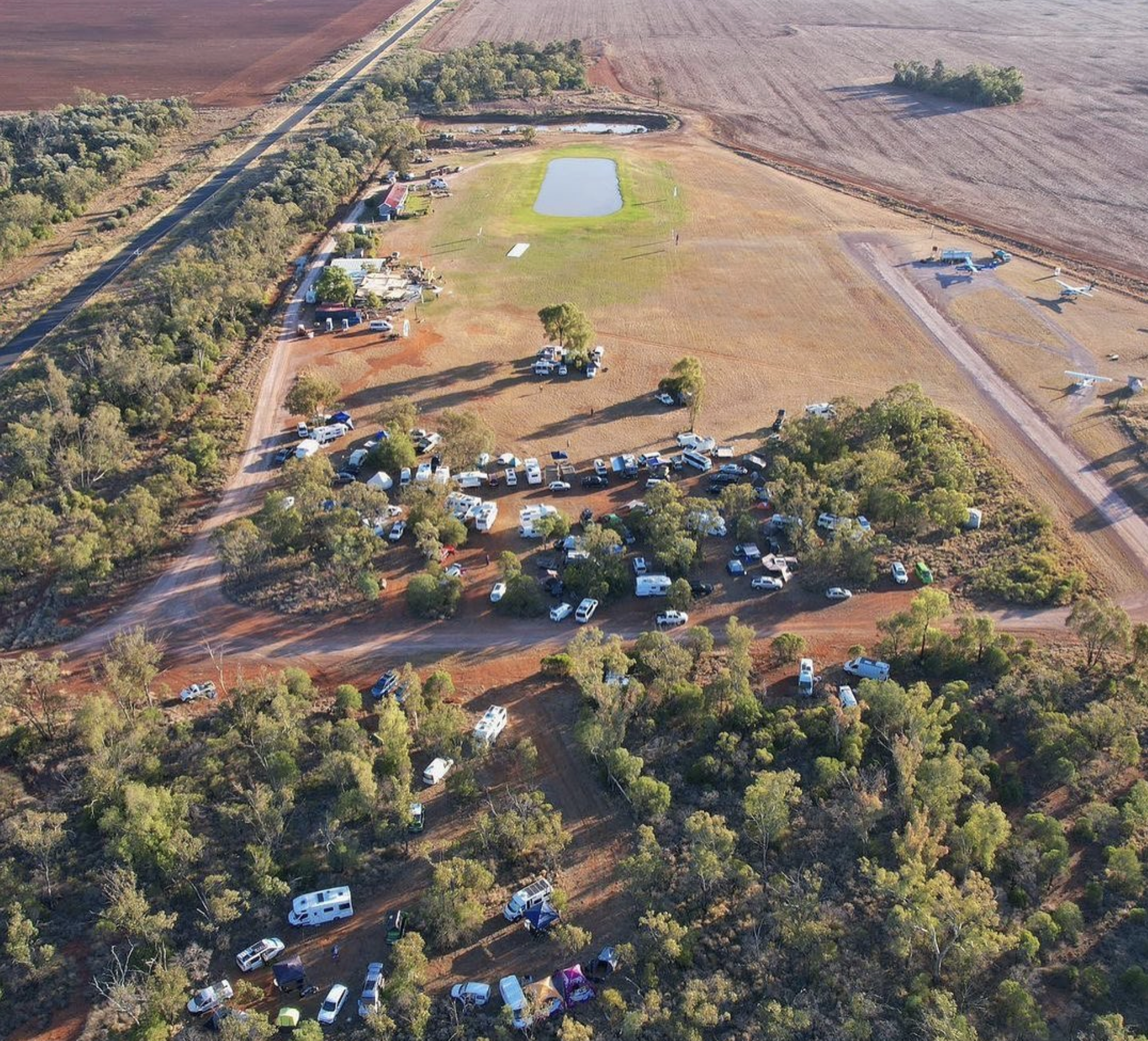
In 2023 we were on tour in Australia, finishing off an ace two months on the road at the legendary Funny Farm. People travel out to ‘Farm’ for many reasons – the parties, the total absence of phone signal, and one of the best swoop ponds in the whole wide world. While there, one local explained that the day one of the visiting Americans got dunked in the water, but then simply packed up their wet rigs and got right back in the plane, changed everything.
Skydiving has a lot of grey areas to navigate, where your skill level and experience (plus a sprinkle of luck) inform your risk assessment process. Where is the line in sand for this? How do you decide if it is acceptable to go again, or if you are saturated to the point where you should stand down?
RULES
There aren’t really any formal rules that deal with this directly. The British Skydiving operations manual has information relating to water landings as part of demo jumping, but only offers general guidelines for being allowed to go do it – nothing additional.
In the USPA both theoretical and practical water landing procedures are part of getting an A and B licence respectively. There is more information on what to do if it should happen by accident, plus you get to have a go at it in a pool or something (we Brits don’t do this on account of the weather and only toffs have pools).
As with the UK version, there is not much more than safety guidelines, but going through this training does make a discussion about rig saturation with your instructors more likely.
STORAGE
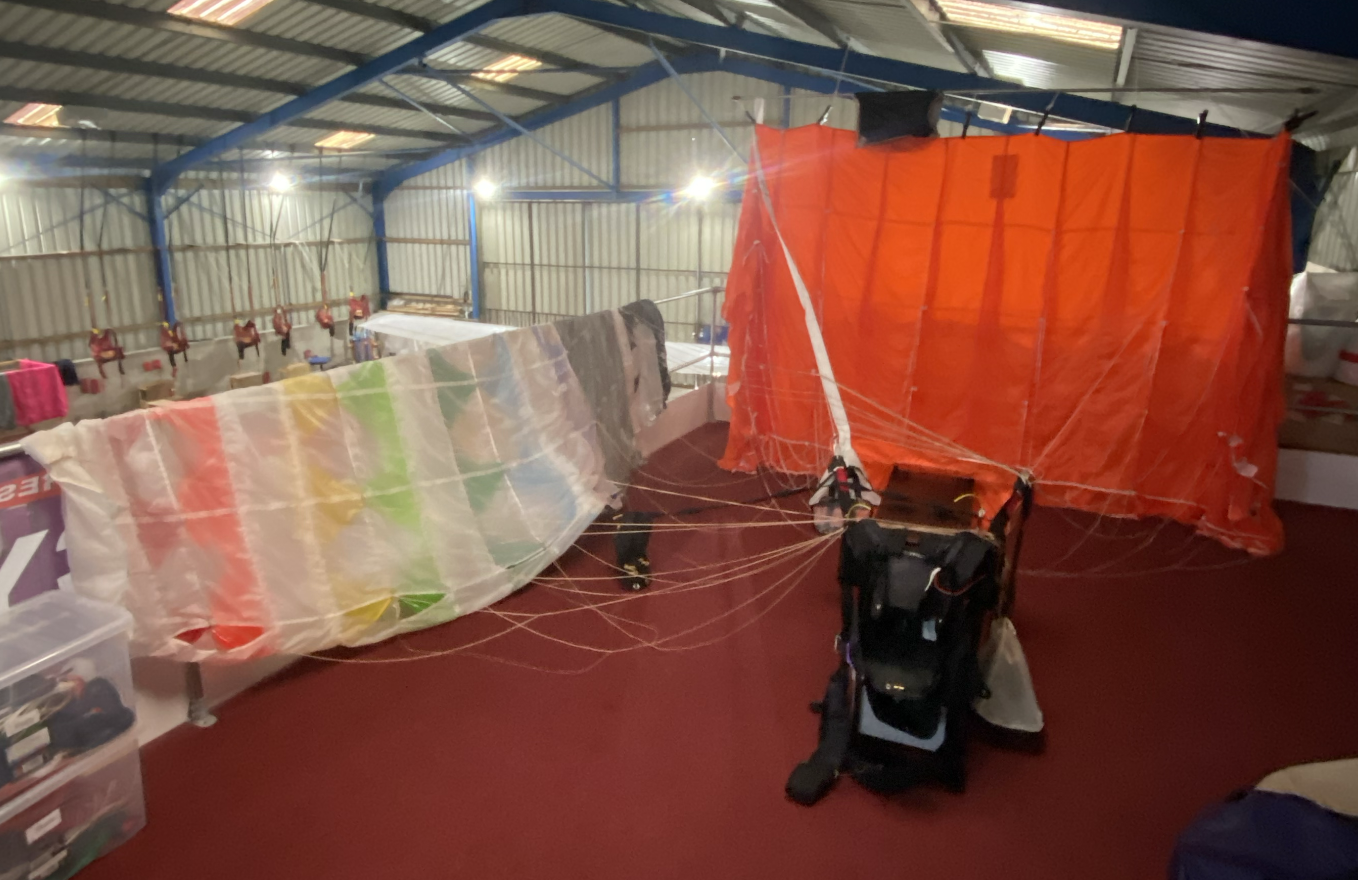
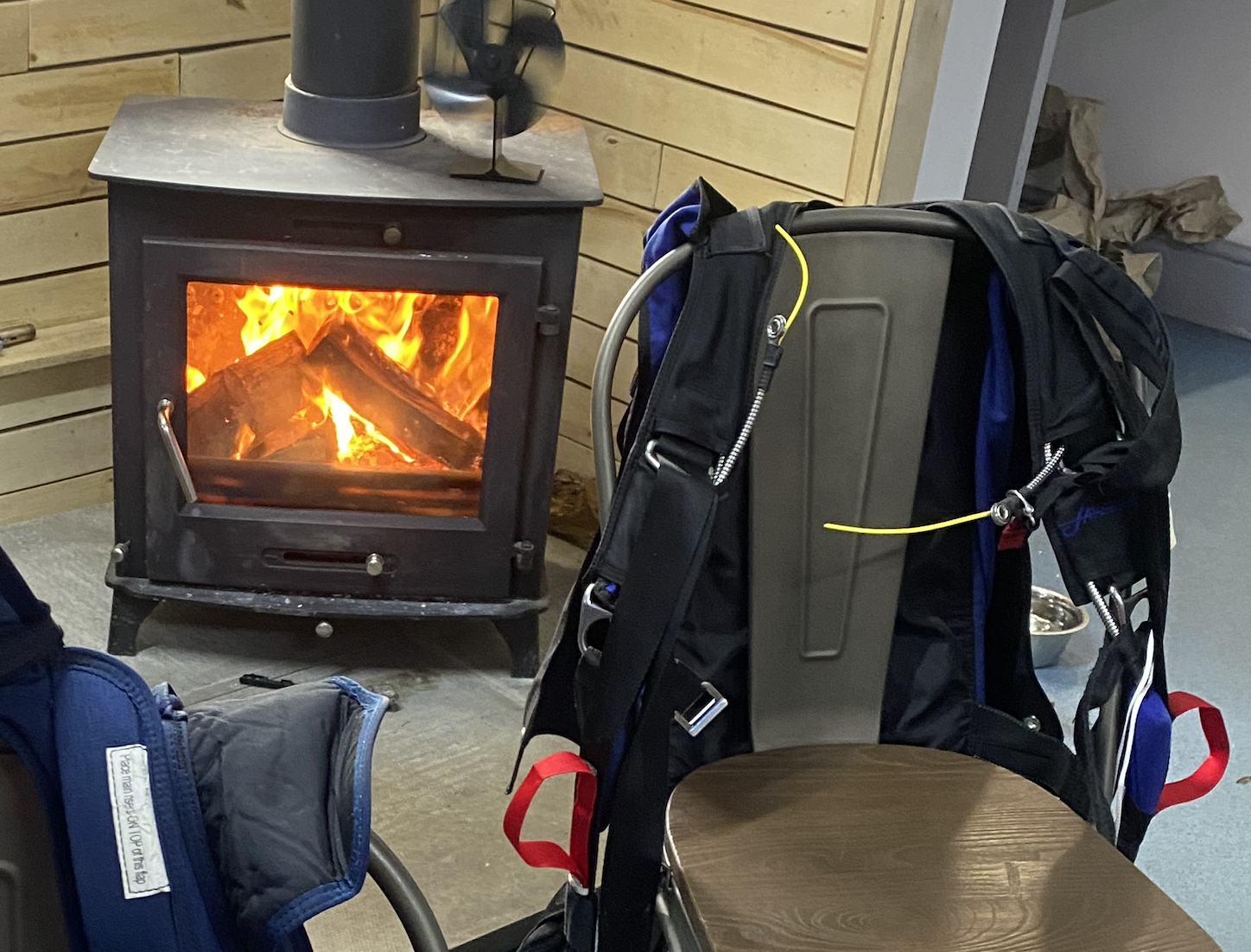
Jumping a wet rig, and jumping a rig that was put away wet, are different things. A newly soggy parachute system will probably still work, while a moldy one that has been festering a while is less likely to. Always finish the day dry (or drying) because putting away your stuff even a bit damp is a bad idea. Even if your intention is to jump again very soon, the universe will conspire to ruin your plans and you will have to take further steps to fix the problem when you don’t get to go jump nearly as soon as you planned.
GRIME
Is the pond you are using a swanky Skydive Dubai style outdoor spa, or a grotty trench (more likely) filled with duck poop and badger corpses? Again – there are no hard and fast rules about what to do and when, but the less pristine the water, the quicker you should be to stand down and clean up.
ACCESS
If you pop your reserve, and therefore have access to your CYPRES unit, change the filter. You don’t need a rigger to do this and it is easy. The filter and tool are both simple items that are cheap and plentiful, so there is no excuse. Chances are that someone at your dropzone has a couple squirreled away. If not, you could be that person. If you are in need, ask us and we will send them to you.
DECISIONS
So how do you decide when you are wet enough to call it? The answer is, like always, it depends. Did you skip across the pond but make the grass? Did you land in the water but pretty much on your feet? How close are you to requiring a re-pack anyway? Is there a rigger here who can do it? Will the rigger here even do it, or whinge about it, or charge me more, or all of those things? Is your wet rig perceptibly heavier? Is it actually dripping? If you are in the position where you are swooping the pond and weighing up such factors, it is likely you can lean into your level of experience to find to correct answer. If in doubt, err on the side of caution.
CYPRES
The easy part of the equation is that your CYPRES unit lives in the reserve compartment of your rig. It is very waterproof and buried under everything else, so you can be confident that it will still function correctly if you keep jumping or stand down. A CYPRES is waterproof up to 24 hours down to a depth of 8 feet (2.5 meters) – which is durability far beyond any sport skydiving application will require.
Adventure, Tips, and Adrenaline
Subscribe to Our Newsletter
By signing up for our newsletter you declare to agree with our privacy policy.