
Details
Monday, December 22, 2025
- Joel Strickland
- 12/22/25
- 0
- Education and training
If there is a particular mental muscle that visiting many dropzones can develop, it is your perception of the varying levels of attention paid to all the elements that make a skydiving business. Our sport contains complex moving parts – some of which you can control or might influence, but also many you cannot. The sky is the sky everywhere, and while your personal equipment and particular skill set are reliable constants, everything else is a porridge of factors that require awareness to navigate with safety and success.
Tales
Pleanty of wild stories from the glory days of stadium rock excess have grown into legends – some true, some not, some thrown around for decades without proper context or complete information. The tale of Van Halen and their banning of brown M&M’s backstage had been held up for years as a pinnacle of hair metal twattery, yet the reality was ultimately revealed to be way more functional. Buried deep within the band’s rider, this seemingly nonsensical clause served as an immediate signifier as to whether the venue had actually read the document, which did indeed contain legitimate rockstar indulgencies – but also many important technical details relating to the safety and quality of the show itself. The colour of said sweeties was of no consequence other than to efficiently indicate if the crucial requests involving sufficient power supply and proper attachment of the giant lights to the roof had been received and acted upon.
Saves
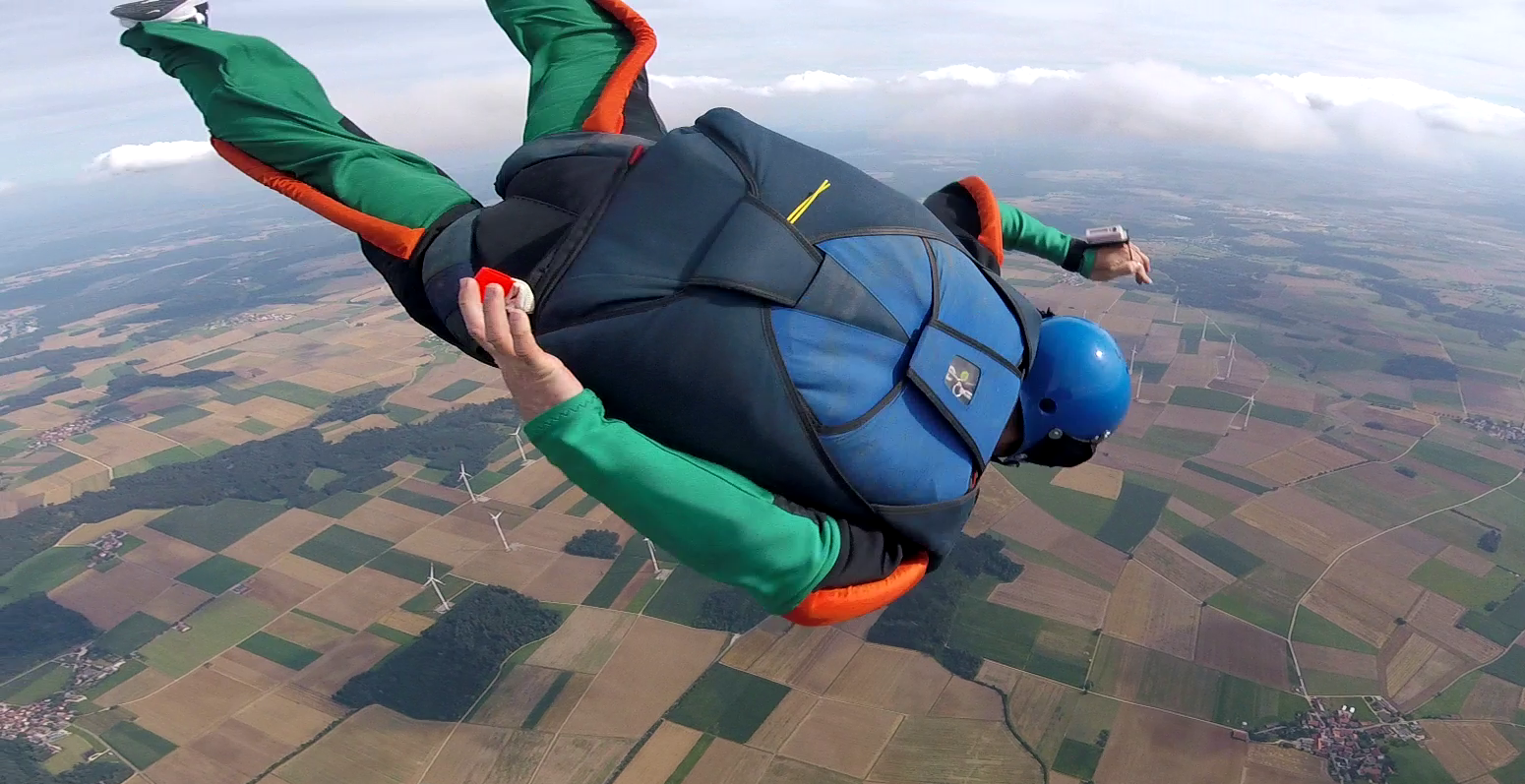
Part of my job for Airtec is to interview the people saved by their CYPRES unit, then communicate the lessons involved and assimilate them into our collective forward progress. When assessing these incidents, it is often made very clear that the triggering factor can be an incongruous, overlooked detail that happened long before anyone exited a plane (or indeed went anywhere near the dropzone). Entirely random things do sometimes happen, but more often than not, you can swiss-cheese your way back to a single, immutable oversight responsible for the event in question. A tiny concern, ignored or dismissed as unimportant, can cascade towards drama.
History
On a semi-regular cycle of years, some grizzly old rigger or greybeard instructor will find a stage somewhere from which to wag their finger at everyone and talk about the ‘Normalisation of Deviance’, having read that book about the time the Space Shuttle exploded on television. This would feel like a worn-out subject if only the structure and content didn’t ring so true as to give any proper skydiver the heebie-jeebies. Even the very condensed NASA PDF version is uncanny in its relevance:
The Cost of Silence: Normalisation of Deviance and Groupthink
Anyone with a bit of time in the sport will likely have multiple examples they can readily draw from that follow this structure with perilous accuracy. A seasoned workhorse can probably even limit their stories to the times that the result was someone going to the hospital…
“We will just brief the tandem students so they are ready if it brightens up.”
“Let’s put them in their harnesses so we can go on short notice.”
“There is a hole coming, so we should go wait by the aircraft.”
“It will be alright, let’s go up and give it a try. We can always land in the plane.”
The good part is that both the written and unwritten rules of skydiving contain a basic level of personal autonomy. If you don’t feel like you have agency over a situation in which you could potentially die, why is that? This is all for fun, and you don’t have to go up if you don’t want to. Ever.
Details that serve as clues to overall operational safety are everywhere. Some are very obvious and exist at the root level, such as call times getting crazy so people have to rush about, or the wind getting stronger and more unpredictable to the point where patterns and landings get loose, then sketchy, then dangerous. Others are less obvious and involve smaller stakes, but are important nonetheless, as they can affect your enjoyment of and efficiency in a high-investment sport.

Signs
Small signifiers can highlight developing risk, but also function in an equal and opposite way that generate confidence in a situation. If a coach has gone so far to check that your shoelaces are tight and tucked away, there is a good chance they have briefed the jump properly. While an errant shoelace is unlikely to kill you, it whipping against your calf all the way down does make it more difficult to learn how to sitfly. If the group leaders at your skills camp have all turned up presenting a nicely matched appearance that they clearly had a conversation about, there is a solid likelihood they first discussed skill levels, exit order and tracking directions. If the boogie staff have found the time for planning elaborate extra-curricular adventures, they have probably talked about how many planes they need. Exceptions that prove these rules also definitely exist, and have their place in a healthy understanding of how skydiving works.

Agency
It is unlikely that you have the same power over your jumping situation as an 1980s hair metal band about to play a stadium gig – able to throw a sacrificial cow to the crocodiles of circumstance to help navigate your day. However, in skydiving, it should always be understood that you retain base-level control of your personal safety. Awareness of all the things that contribute to collective enjoyment grows endlessly with time and experience, but you can also go the extra distance to be brighter and better sooner, and important details are everywhere.
Try These:
Say Something: If you notice anything out of sorts, speak up. You have always done the right thing and will learn stuff.
Go Somewhere Else: Information siloing happens a lot in skydiving, from country to country and dropzone to dropzone. Broaden thy horizons.
Try Something Different: Engaging with a new discipline at even the most basic level will offer you a lot of perspective and context.
Say Something (Part Two): Don’t be scared. Nobody is fancy enough to be wrong and get told to go fuck themselves.
Trust Your Feelings: If the vibe is off, why is that? If the vibe is good, get after it.
Tags: CYPRES
Adventure, Tips, and Adrenaline
Subscribe to Our Newsletter
By signing up for our newsletter you declare to agree with our privacy policy.