
Centro Nacional de Paraquedismo Boituva
Thursday, March 12, 2026
- Joel Strickland
- 3/12/26
- 0
- General
Learning about a new country is as much an exploration of the small things as it is the large. Everywhere has people and cars and houses and roads, the exact composition of which offer clear indications of where you might be, but a part of the fun is discovering the idiosyncrasies that make going about your daily business new and interesting. We have been learning about Brazil, and are currently aiming to understand many minor but curious things. Why isn’t the breakfast cereal all in the same bit of the supermarket? Why are teabags only available in teeny tiny boxes of ten? What do the garden lizards want from inside the house? What is it with all the lasagna?
Structure
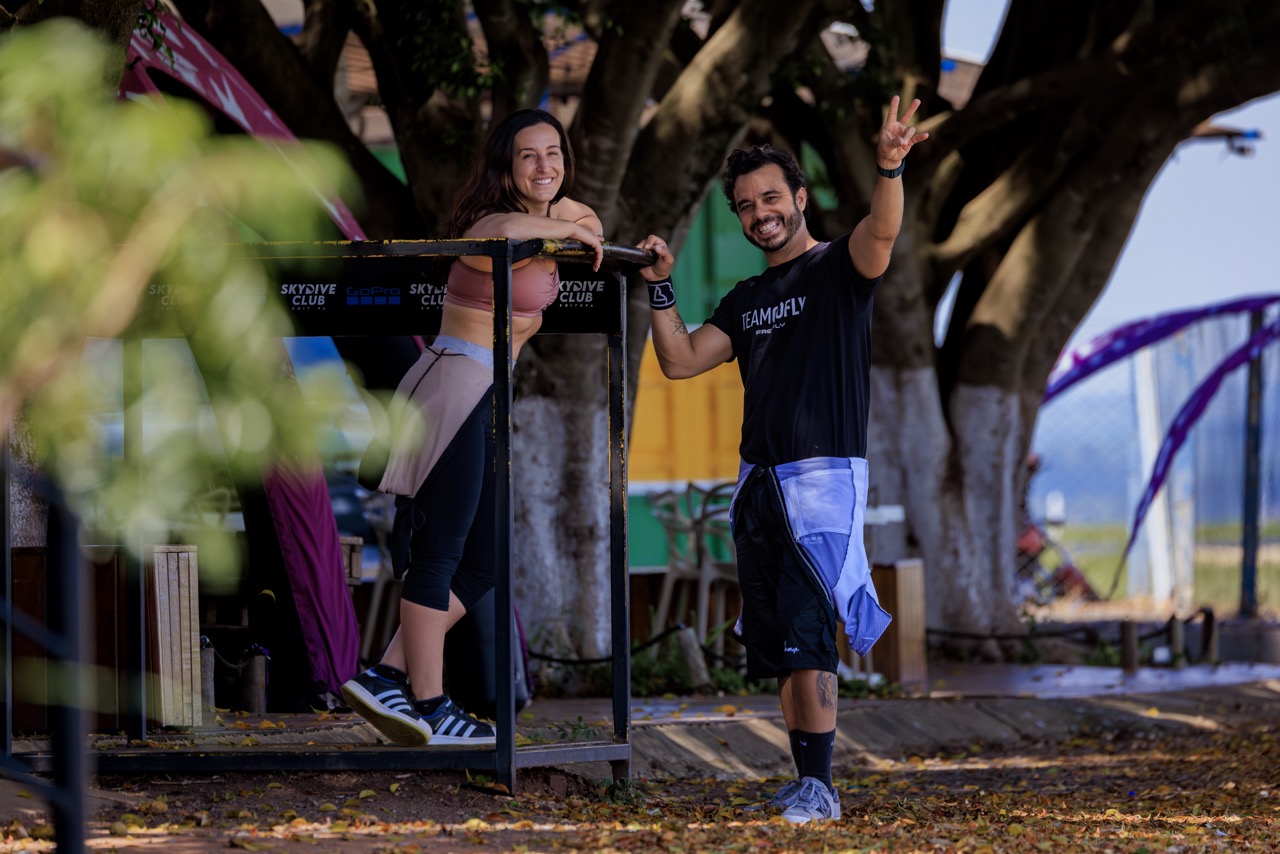
Skydiving abides by these same rules. A big aircraft hangar with the name on the front and a flag on the top is a good start, but the real story is in the details – those of how all the functional elements of skydiving interact with one another to ultimately get stuff done. Centro Nacional de Paraquedismo Boituva is perhaps unique among dropzones, by way of scale, but also structure. There are so many different skydiving schools scattered about the place that nobody really knows for sure the actual count, and this is before you add the cafes, shops, accommodation, rigging lofts, balloon and paramotor operators, and suit manufacturers.

Busy Busy Busy
The principal aviation part is separate in a hangar across the way, and it can spit out caravans seemingly at will, with three, four, five, six as required. When you go, a couple of vehicles perform a lap of the place, collecting a few jumpers here and a few more there – all with their own affairs and individual branding. Each school keeps it’s own manifest, and then requests groups to be added to loads at a central hub at the end of the runway, which serves as an office and pre-boarding spot out of the sun where you get maneuvered onto your aircraft. It should be chaos and it is, but it also works.
With so much going on at this scale, there is a lot to recommend about why Boituva is regional hub for skydivers – which is exactly what people did when we started asking about priorities for a tour in South America. There are things happening all over the continent – camps, beach boogies, adventure trips and such, but you come here when you really need to get stuff done.

Getting On
The part it is also necessary to understand is that with space being shared in this way it is extra important to seek out good guidance, and apply maximum awareness. Top quality experiences are available here, but also with the divergent structure there no firm central responsibility. When someone lands in a big heap next to you out on the grass without flaring, it could be both the first and last time you ever see them, which can mean offering help or advice is easy to let slide. Individual relationships to collective accountability are a part of skydiving everywhere, but the bigger and more spread out the dropzone, the thinner that important connective tissue can become. When this happens it is increasingly important to reach out, as advice may be less likely to seek you.

Boituva is a good time. The full spectrum of skydiving is on display here every day, going up in every available bit of sky and only really stopping when the clouds get too big, and also to sit out the daily Summer downpour. The idea that there are people that work here every day who are completely oblivious to what goes on in other parts of the place add a sort of overall mystery, and you can be here for days before stumbling on a new little area with fantastic icy drinks and old school freefly on the screen. Knowing how multi-operation airfields can be complicated, I asked in advance. I was informed that Boituva is at peace, and it is. Everyone is friendly and it all the pieces push and pull at one another to achieve a functional balance. All dropzones are a different mixture of the same ingredients, and Boituva is a maximalist spicy dish.
Adventure, Tips, and Adrenaline
Subscribe to Our Newsletter
By signing up for our newsletter, you agree to ourprivacy policy.