CYPRES Save Report – Wingsuit Flight, January 2026
Tuesday, February 24, 2026
- Joel Strickland
- 2/24/26
- 0
- General
When they do happen, CYPRES activations can come from any part of skydiving. Having your life saved by your unit is a statistical outlier for anyone’s jumping career – but if required can be the result of something you did do, something you didn’t do, or anything in between. Incidents that result in a CYPRES save can sometimes be epic in scale and unique in detail, to the point where the news travels by itself to every interested ear. Saves are always significant for the recipient, plus those in their personal proximity, but also sometimes the inciting factor is not particularly new or wild. This doesn’t mean that the lesson involved has less value, in fact, if the save comes from a set of more broadly applicable circumstances – it might even be more important to share it.
Here is the report…
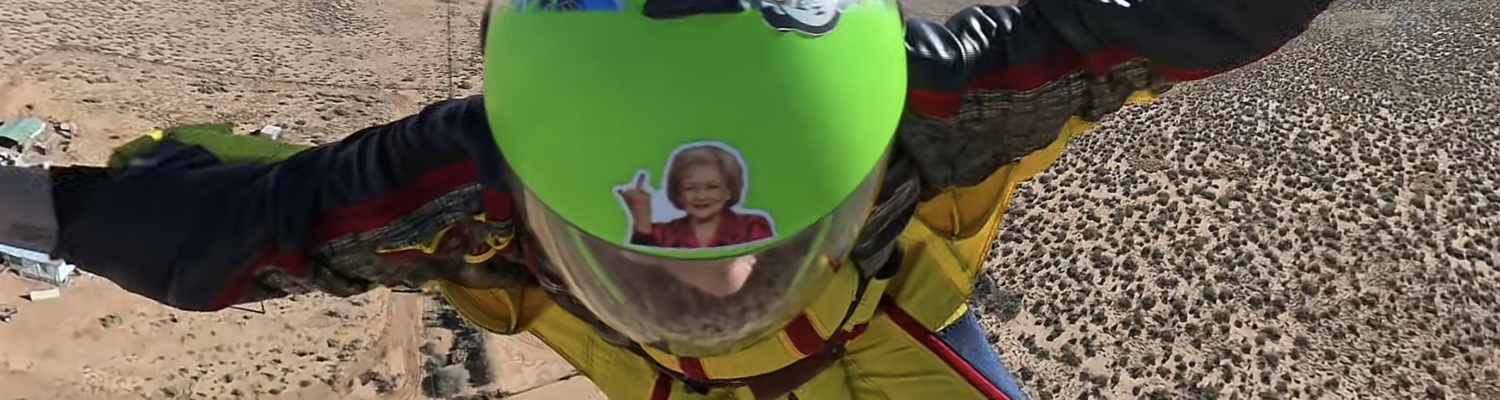
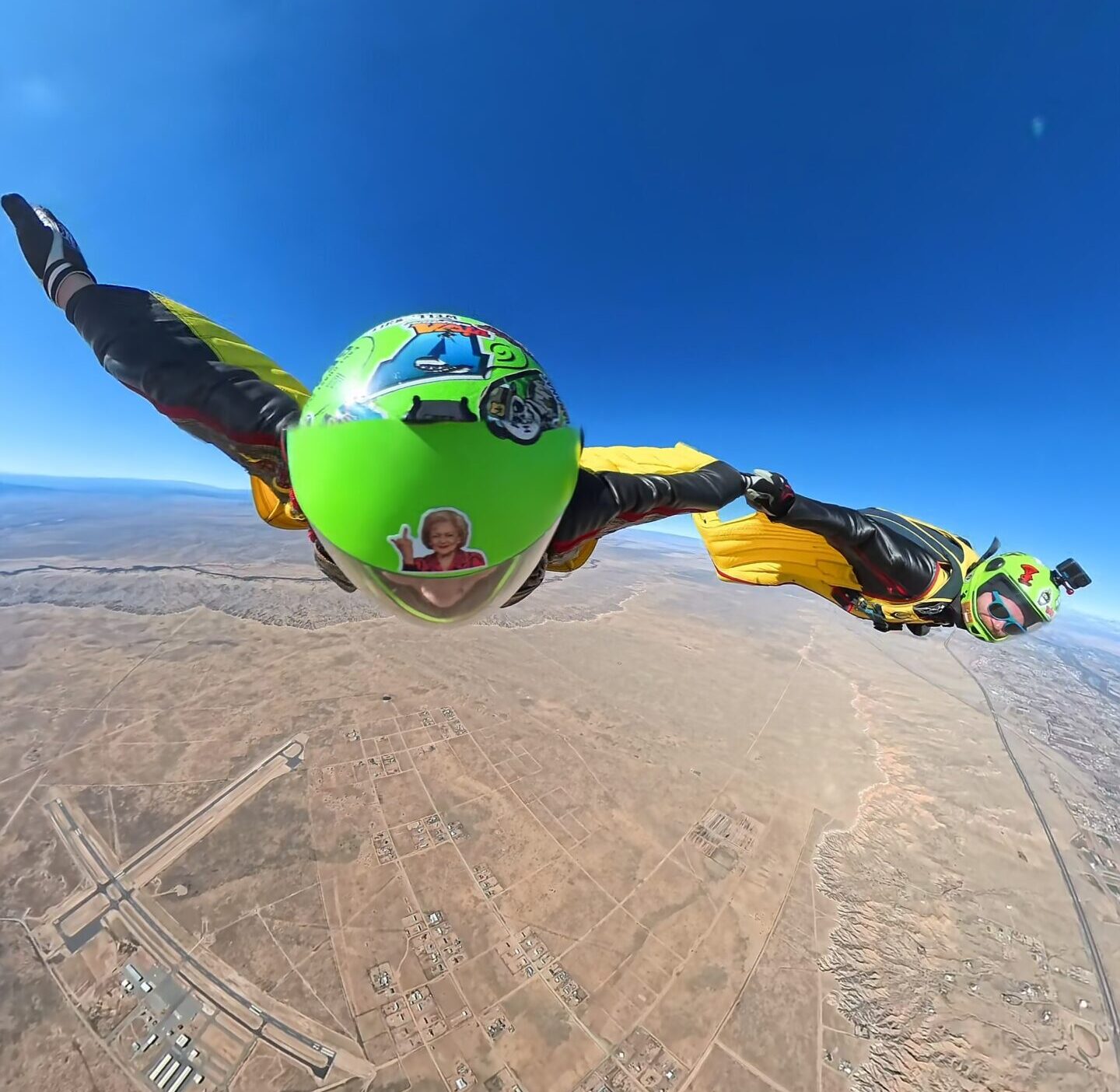
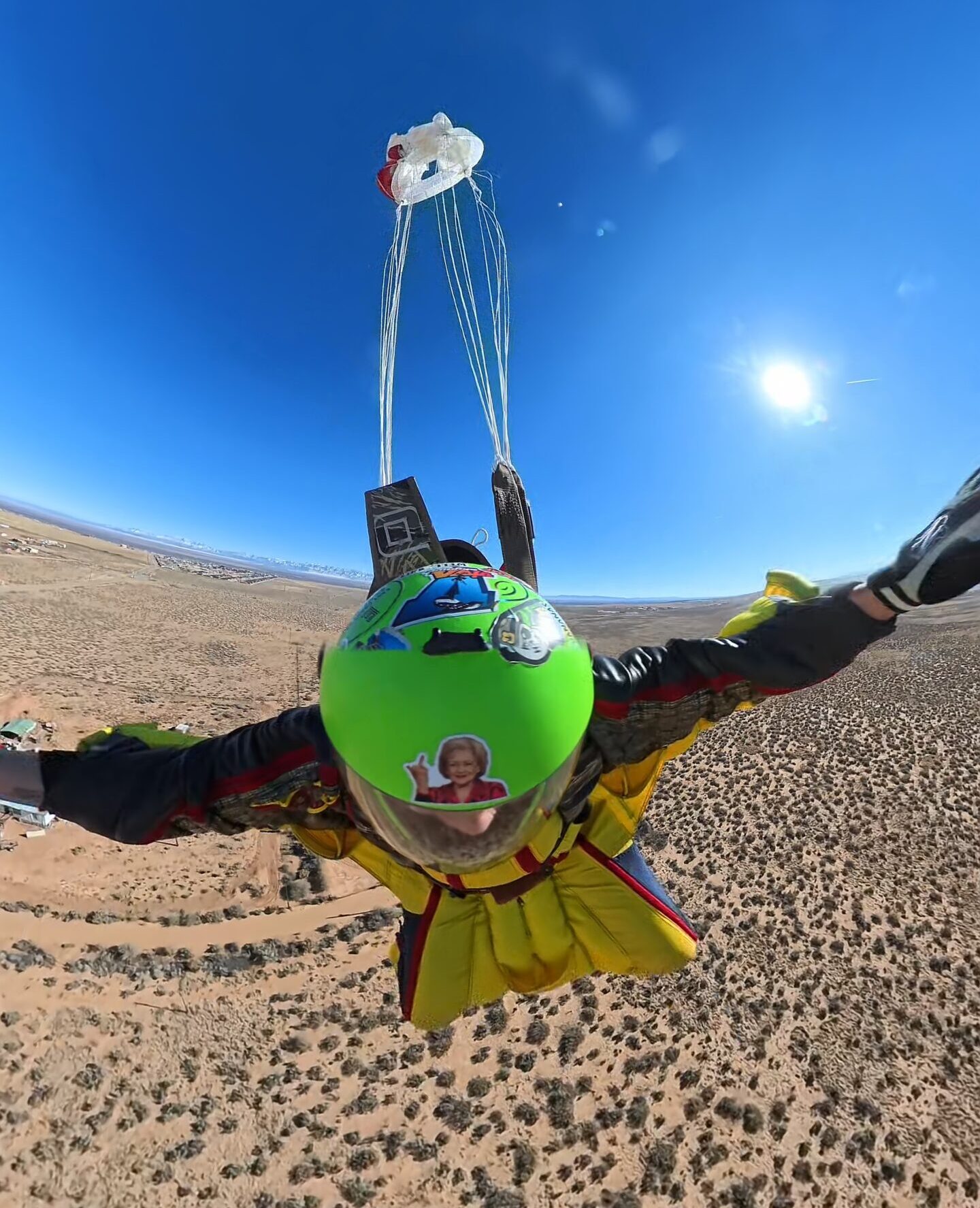
I was on a wingsuit jump at my home dropzone in New Mexico. We are a small Cessna place so we don’t go particularly fast. We weren’t rushing around or doing anything in haste. I had done a slick jump for my first that day, and this was the second, a two-way with my boyfriend. I have over five hundred jumps but am pretty new to wingsuiting, with this being my thirteenth flight. The jump went fine, although my exit could have been a little cleaner. At this point in my learning I am training to engage my body correctly – things like flying a stronger position with my arms instead of all the way back.
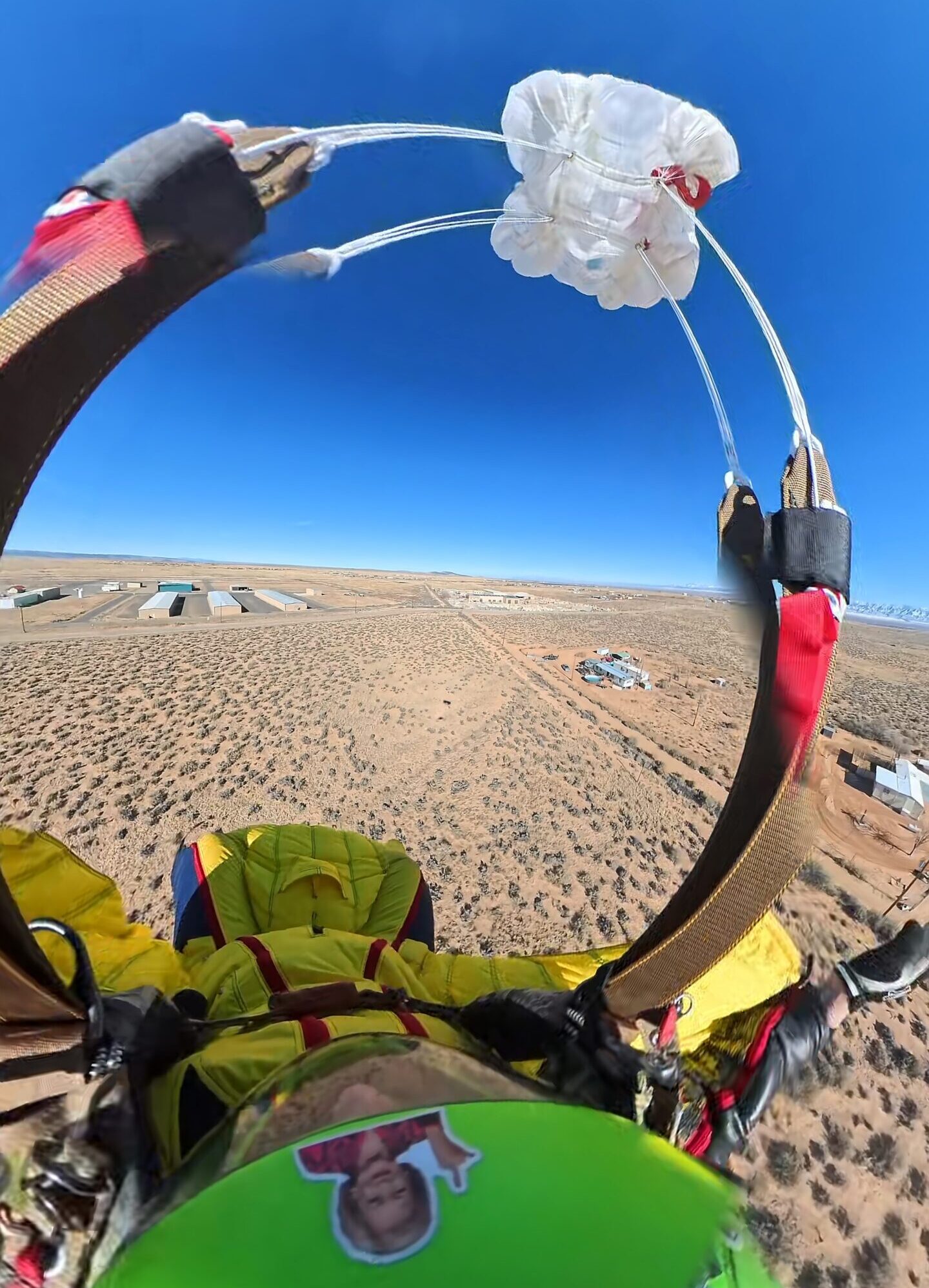
At 4500′ I attempted to deploy my main, but had a hard time getting my hand around the material of the wing. After a few attempts I was at 2500′ and moved to my handles but had difficulty there also. This was my thirteenth wingsuit jump. I had done five with another suit on my first flight course, and then this was my eighth with this suit which I had borrowed from my boyfriend. Eight jumps is not a lot, and while it not fitting perfect was something I was aware of, I had not had any issues previously, and had been very intentional with my drills – both reaching for my pilot chute and emergency handles.
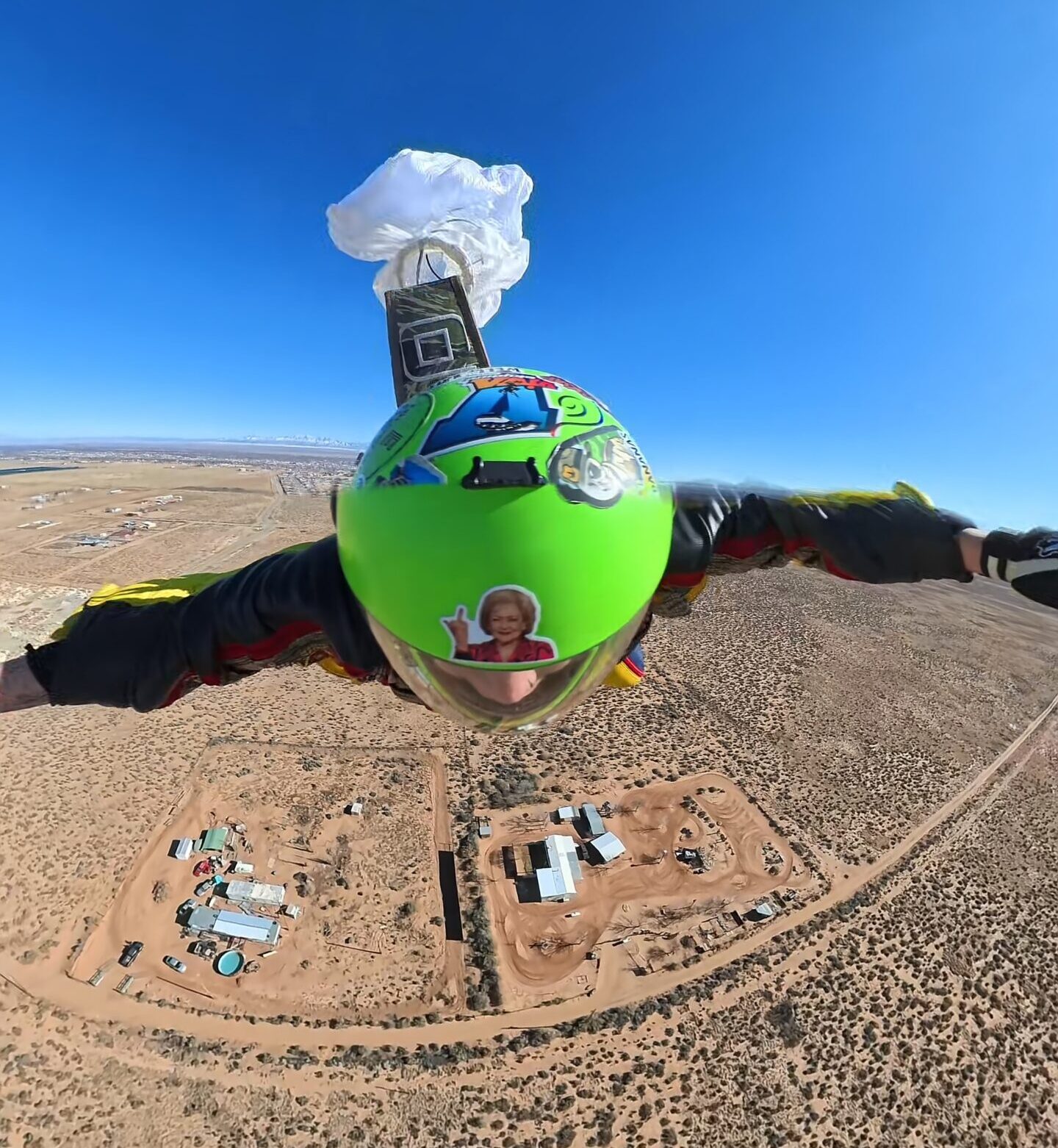
I would say that fatigue was a bit of a factor, but not enough to stop me from working the problem. As I was starting to get very low I was screaming for my CYPRES to fire, but I definitely wasn’t just waiting for it. I can remember grabbing a bunch of wing material at the back and then webbing instead of handles at the front, which means that likely everything had shifted a bit. I know now that returning to full flight and starting the process over possibly or probably would have helped, but your brain just tells you to keep trying and you will get it this time. I have practiced my EPs hundreds and hundreds of times, which develops the muscle memory you need. You know that you should also be able to think about the situation you are in, but that can be easier said than done when it is happening fast.
Lessons
People jump loaned gear all the time, and while this creates an additional risk factor, it is a manageable one. Jumping a borrowed wingsuit is not ideal, but is also a quite normalised part of the process. Arm fatigue is a real part of wingsuit flying, and while we have encountered stories where having no juice at all left in your muscles has caused a save, this is not that extreme. Being tired at the bottom end of a flight (especially when you are new and working on improving your technique) is another risk factor, but again is a part of the process. Fighting a problem all the way down is what we are taught to do, what we think about doing and what we train for. Instead of trying the same thing that wasn’t working again and again, the problem may have been solved by returning to full flight and starting over. This is a difficult thing to do when the ground is getting big and the pressure it getting very intense.
 There is no significant mistake here worth anyone pointing a finger at, but there is definitely an important lesson for everyone regardless of skill level or experience. Risk management is central to the reward structure of skydiving, and learning to get it right over and over is a satisfying way to spend time. Stacking small risk factors on top of each other is routine, but sometimes they can line up in a way that results in the CYPRES doing what it is designed for, even if no single part of the equation is particularly questionable.
The end result is that small risks are always important. Understanding them and minimising them is always a thing.
Adventure, Tips, and Adrenaline
Subscribe to Our Newsletter
By signing up for our newsletter, you agree to ourprivacy policy.