CYPRES in 2026: Activation Altitude
Wednesday, January 28, 2026
- Joel Strickland
- 1/28/26
- 0
- General
Across the first half of this decade, increasing the activation height of your CYPRES unit has become a better understood and increasingly common choice. Skydiving exists in a state of continual development, and now is a good time to again investigate the assessment factors, and discuss where we are and how we got here.
Questions
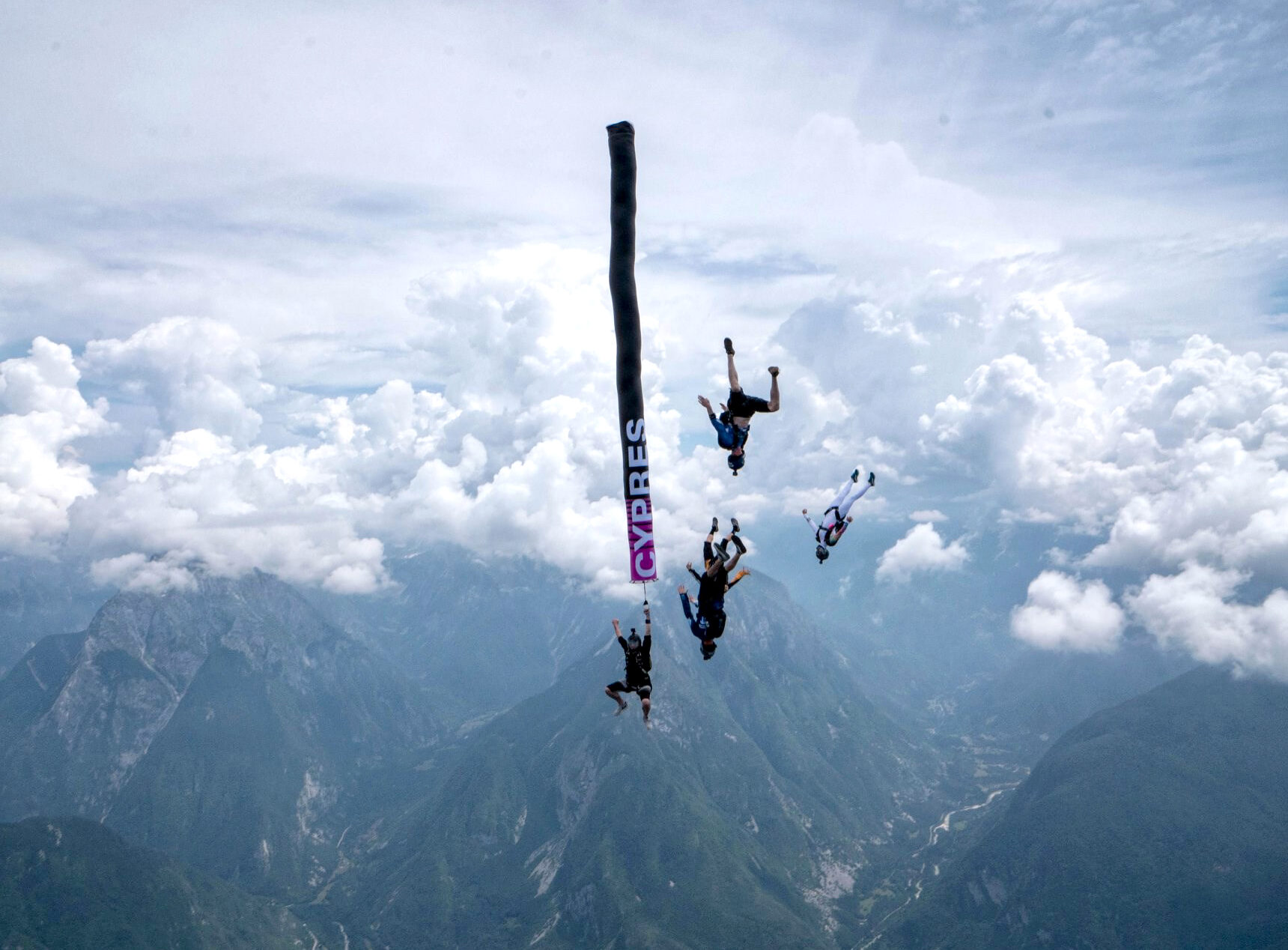
It started in the mountains, where dropzones nestled among elevated terrain began seeing increasing numbers of tracking groups deploying parachutes in places where the ground had begun to creep up underneath them, thus decreasing the available vertical space below jumps calibrated for the landing area proper. The extended conversation about safety parameters then did what skydiving often does – add some very valid and important discourse, while also going on and on and offering many opinions without thinking things all the way through. Here are some of the most important details to know about the activation height of your CYPRES unit in modern skydiving…
LOCATION, LOCATION, LOCATION
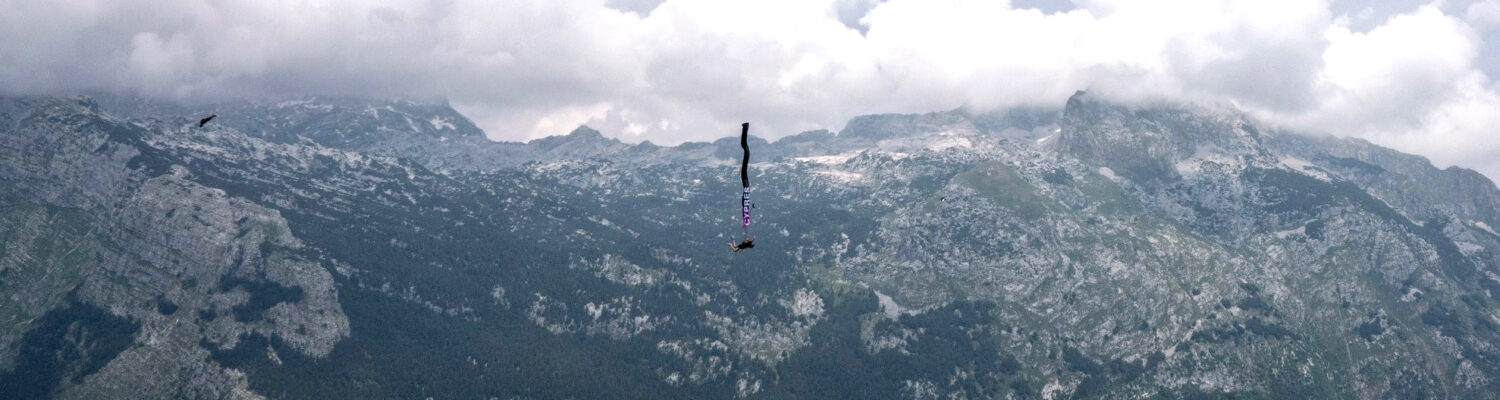
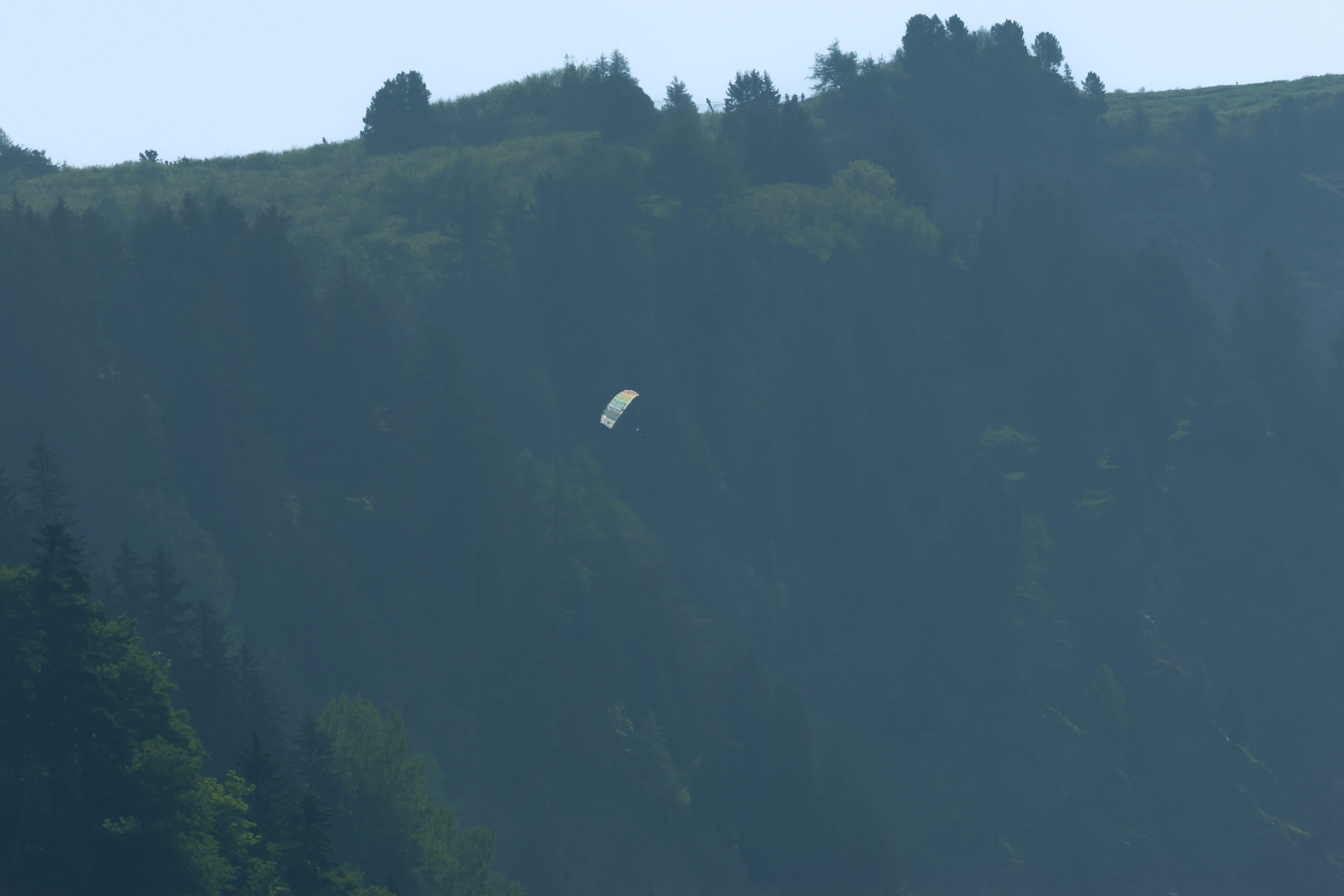
The single most crucial reason to increase your activation altitude is if there are raised areas close enough to the dropzone that you might find yourself over them during the course of normal skydiving. Dropzones with hills or mountains in their immediate area of operation will likely (but not always) recommend or insist upon a policy they have decided is best for everyone – often including their student and tandem gear.
Important: Never assume a skydiving operation has considered everything for you. There are many reputable locations out there, and just as many where oversight is entirely absent. The most important person to look to for your own safety is you.
It is now possible that a skydiving centre chooses to adjust the activation altitude of their in-house equipment without any nearby dramatic geology to consider. Doing so is just an extension of the choice made by individual skydivers, applied by the ownership via their understanding of the balance of risks and arriving at what is best for them.
ONE HAND AND THE OTHER
The CYPRES unit revolutionised skydiving, delivering a level of reliability and sophistication previously unheard of. That said, there is an ever-present level of shared responsibility between the device and the user, and understanding this at each stage of your skydiving career is important.
At the beginning, you are not taught much about your CYPRES. This is because there is already a lot to absorb, the risk parameters are very wide, and the additional depth can acceptably be saved for later.
Over time, the risk and reward equations of jumping grow more sophisticated, but the central theme remains – using your CYPRES is conditional. It is brilliant, but it cannot think for you. The more developed your skydiving life becomes, the more important it is to understand exactly what your unit does.
Note: If someone tells you to adjust your activation altitude but cannot explain the basic balance of risk factors at your level, find someone who can.
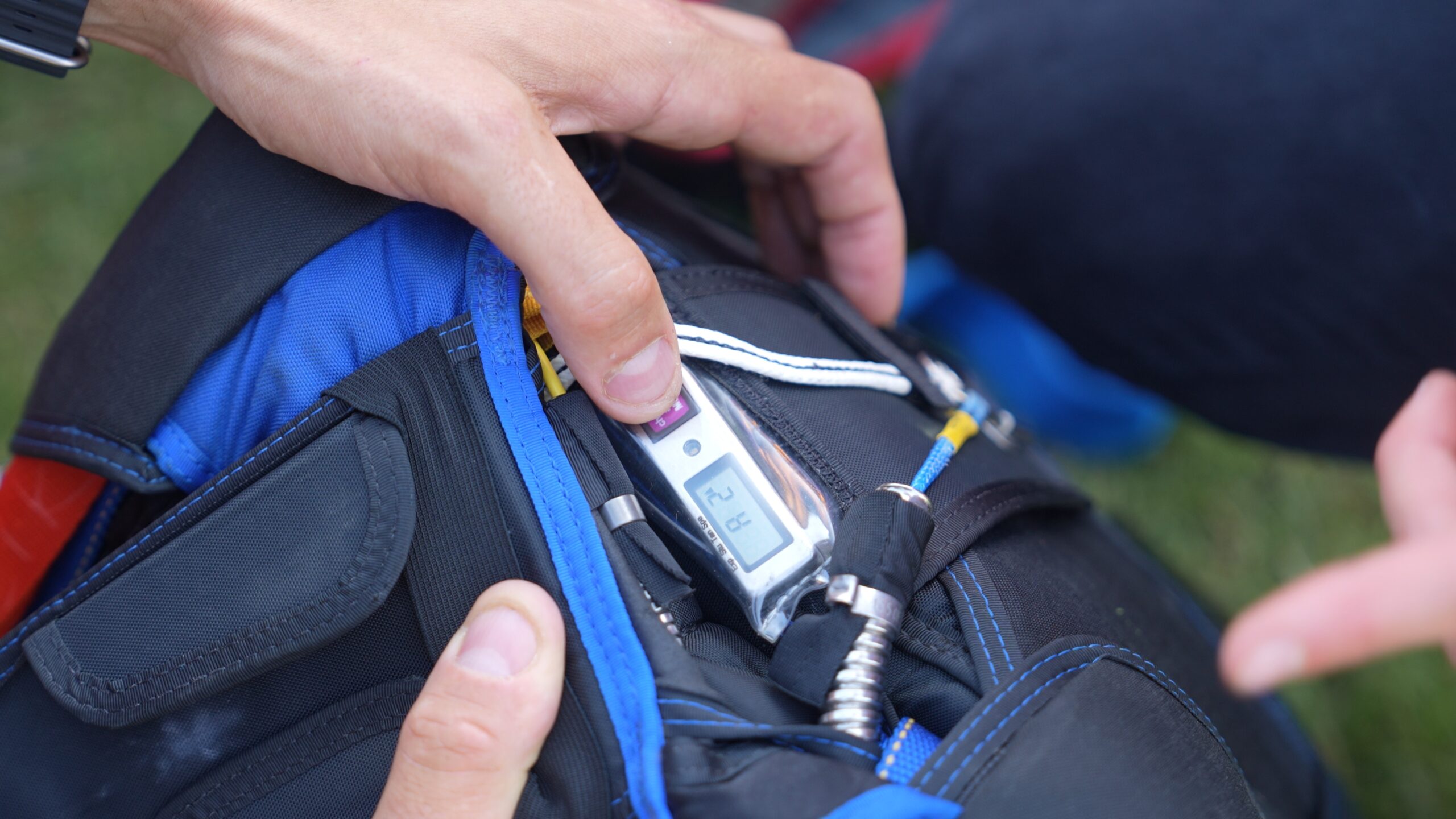
Increasing your activation altitude a small amount is a personal choice that has become quite a normal thing to do, but rather than a new rule that everyone does – it is a preference built on understanding your personal circumstances.
Try This: You might believe that more altitude under your reserve means finding somewhere to land safely and properly, but I think that it is more time for my unconscious body to fly further away from rescue. Which is correct?
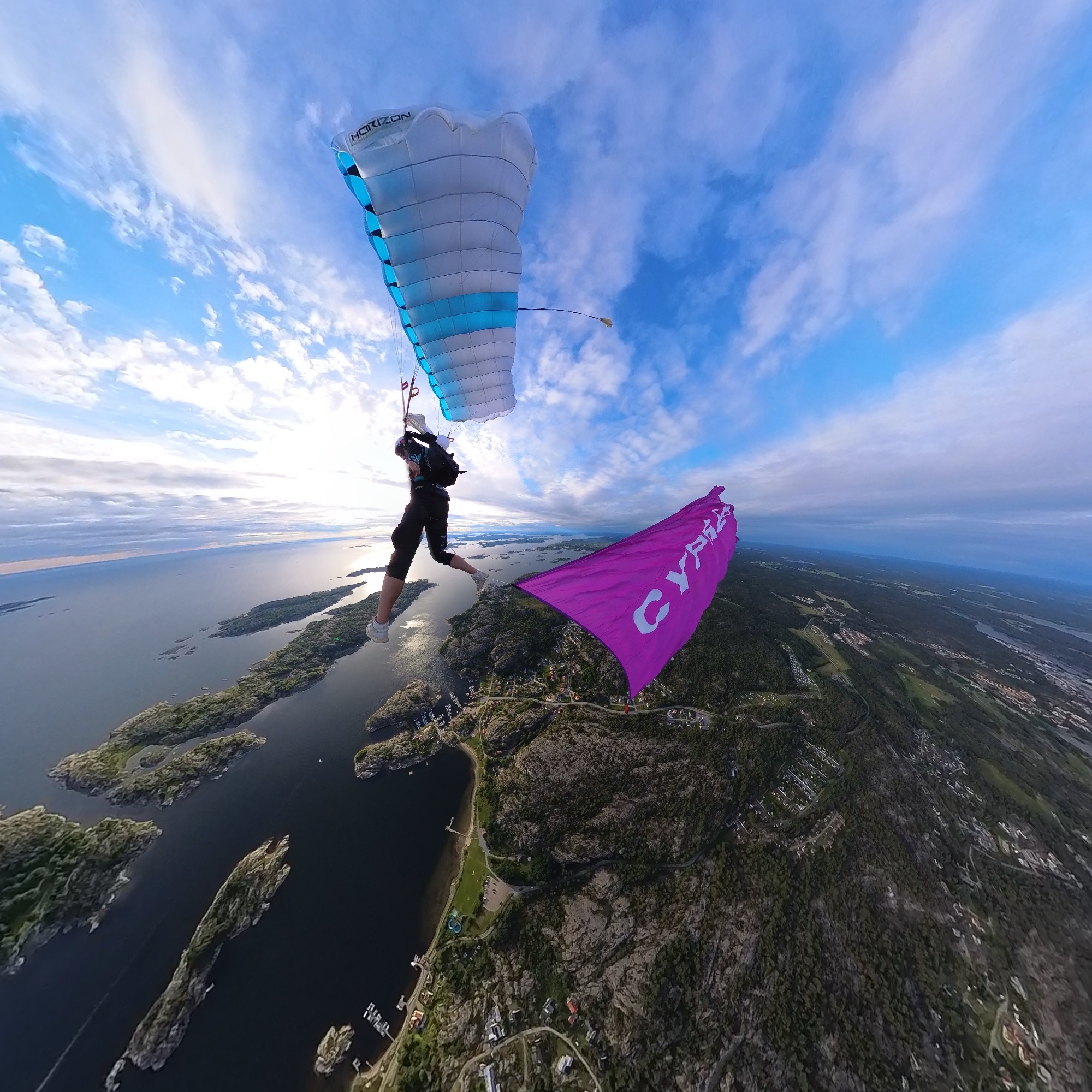
Other factors can influence your decision. You might have a small reserve in a tight container, as both of which can potentially alter reserve deployment speeds. You might have something fancy like a big wingsuit or a Mutant harness – both of which add their own specific hard-deck considerations. If you really dig in, there are a lot of variables and possibilities, but when thinking about altering your activation height the most important thing to understand is this:
The one time you may require the extra altitude to save your life is traded against a very marginal increase in the risk of a two-out on every jump you do where you end up lower than planned.
The ideal version of events is that you never experience either of these eventualities, and most likely will not, but learning such details are the building blocks of safe and progressive skydiving. Accurate knowledge of how things work gives you confidence and makes you good.
THE GOOD OF THE MANY
There are people out there who like to argue that the default firing height of the CYPRES unit is outdated, old-school and even low enough to be suspect. The truth is that very few in the industry are called upon to assess collective safety at universal scale, and doing so is a very careful and serious balance of variables.
Our job at CYPRES is to make the best possible decision for the benefit of everyone – evaluating skydiving as a global concern.
There are many factors that influence how things play out at the bottom end of a skydive, which is why the default activation height remains the same as it has ever been – enough altitude to save lives consistently, but also not to interfere with the practices of everyday jumping.
We ask you to simply consider the results, with many thousands of lives saved across multiple decades. The default height is effective on a macro scale, with elective increases available to support current practices and methods being the best way to provide for the developing sophistication of the modern sport.
Adventure, Tips, and Adrenaline
Subscribe to Our Newsletter
By signing up for our newsletter you declare to agree with our privacy policy.