Dropzone Offset Checklist
Tuesday, January 20, 2026
- Joel Strickland
- 1/20/26
- 0
- General
Innhopps have become a routine part of skydiving. The process varies from place to place, and a general rule to remember is that the easier it is to jump into somewhere exciting, the more the associated risks and potential outcomes filter down to the individual skydiver. Administrative legwork means that consequences are being managed properly, and your location will likely have a good support structure. If nobody really cares very much where you go land, they will very likely care the same amount if you are lost or hurt. Plan accordingly.
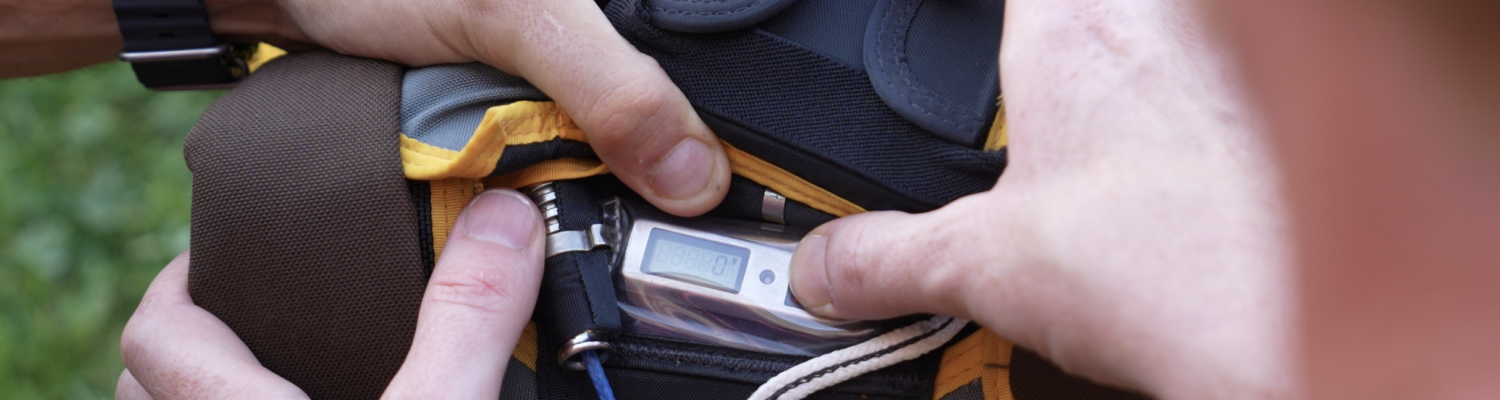
When it comes to setting up your CYPRES, the unit is simple to use and as reliable as it ever has been. Here is a quick checklist for when you need to enter a dropzone offset…
Allow Time
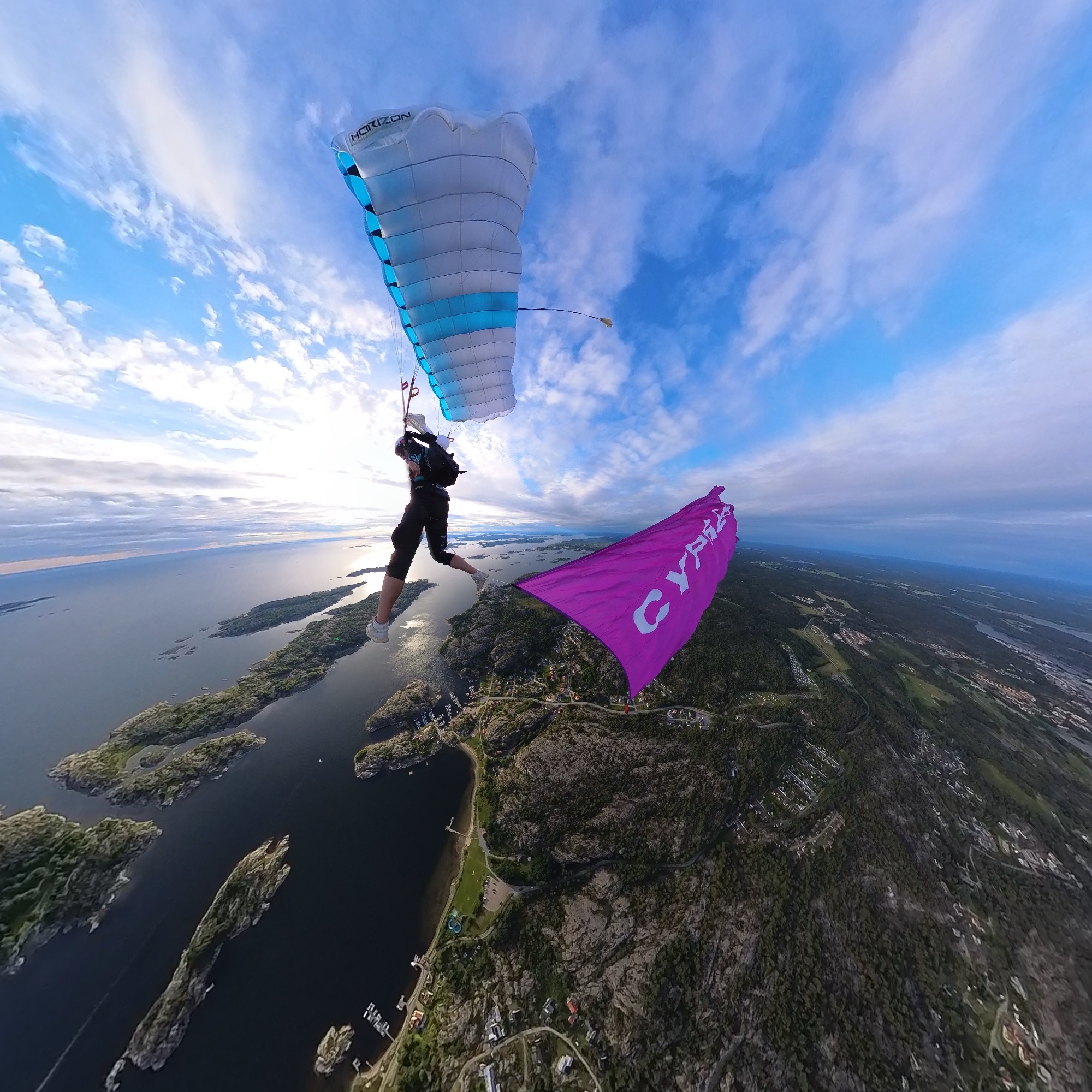
Innhopps don’t happen exclusively at the end of the day, but for the most part it will be so. Even with the best intentions things tend to get smooshed up and rushed, and the best way to deal with this is allowing more time for yourself beforehand. Maybe skip a load so you can rest, eat, hydrate – and also be on top of your knowledge and admin while others all run around looking stressed.
Don’t Skip The Briefing
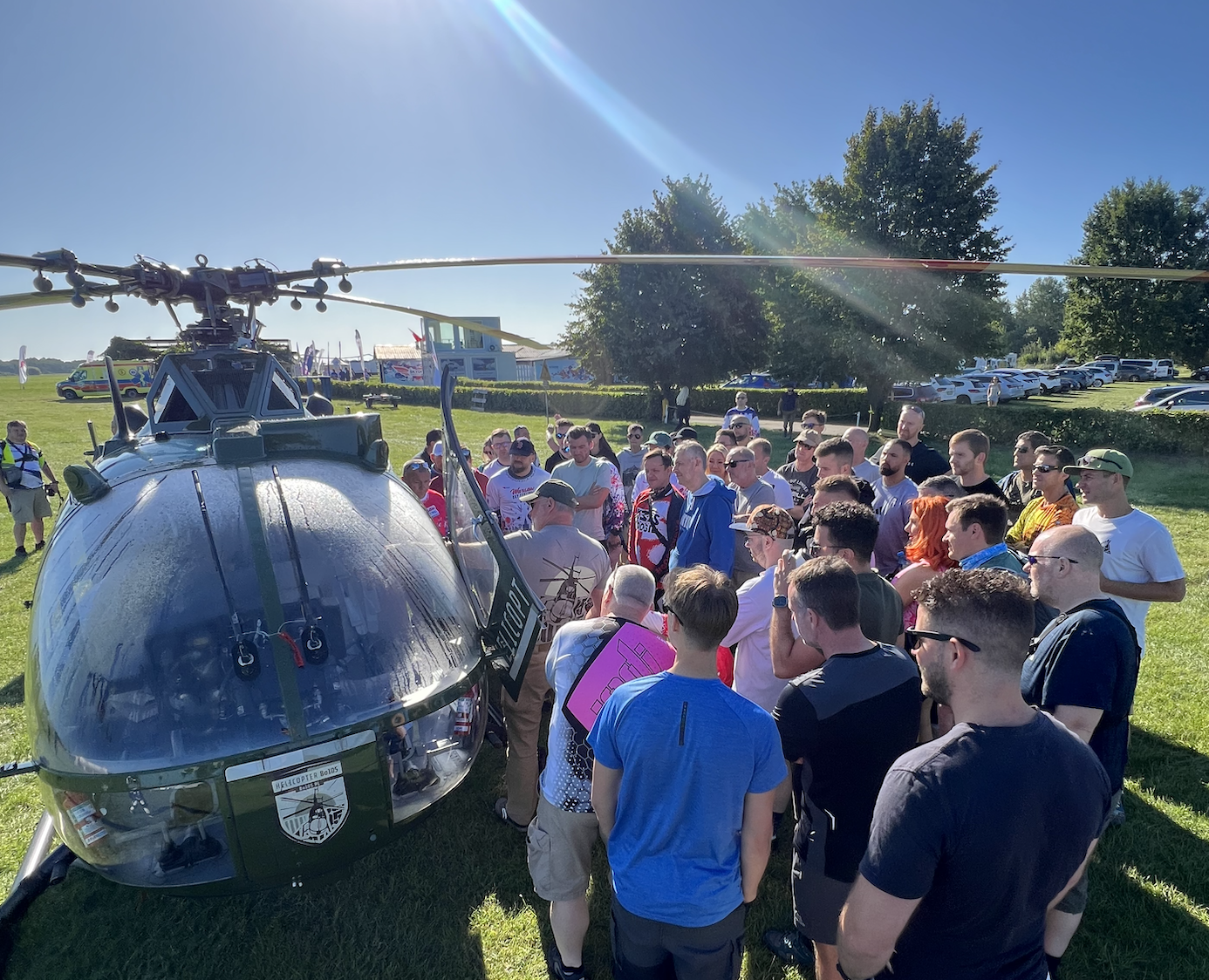
Even if you are familiar with the jump, always go to the briefing. Even if after the briefing everything is exactly the same as it was the last time you did this jump, always go to the briefing. If you don’t go, something will be different and you will look dumb. This is how the universe works.
REMEMBER THIS: Your CYPRES wants to know where you are going. Your altimeter wants to know where you are starting from.
Buddy Check
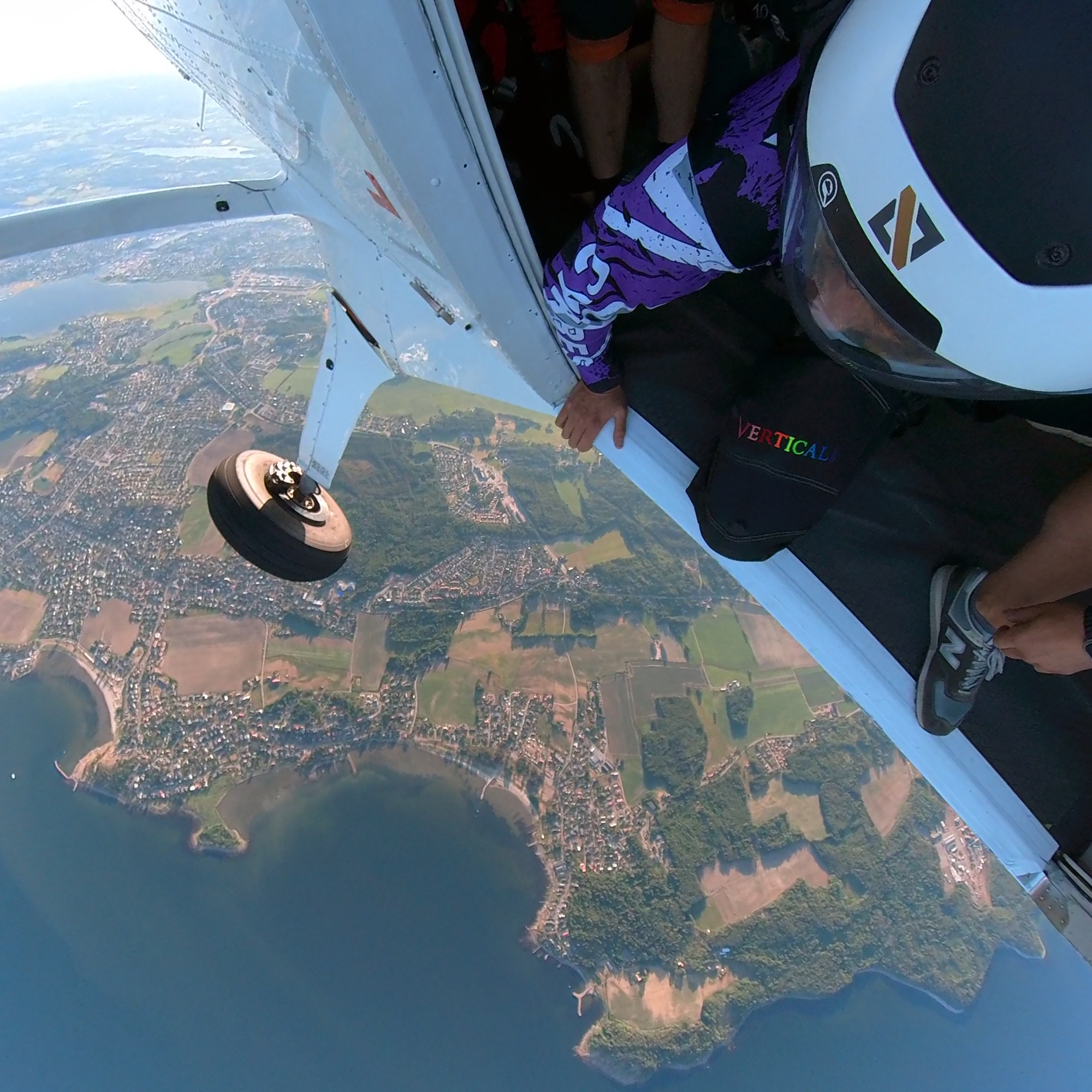
All the information you require should be given to you directly be the organisers of the jump. Double check this using available resources, because no matter how fancy and professional something is, everyone can be wrong. Teaming up for accountability will help you feel chill and organsied.
Landing Higher Up
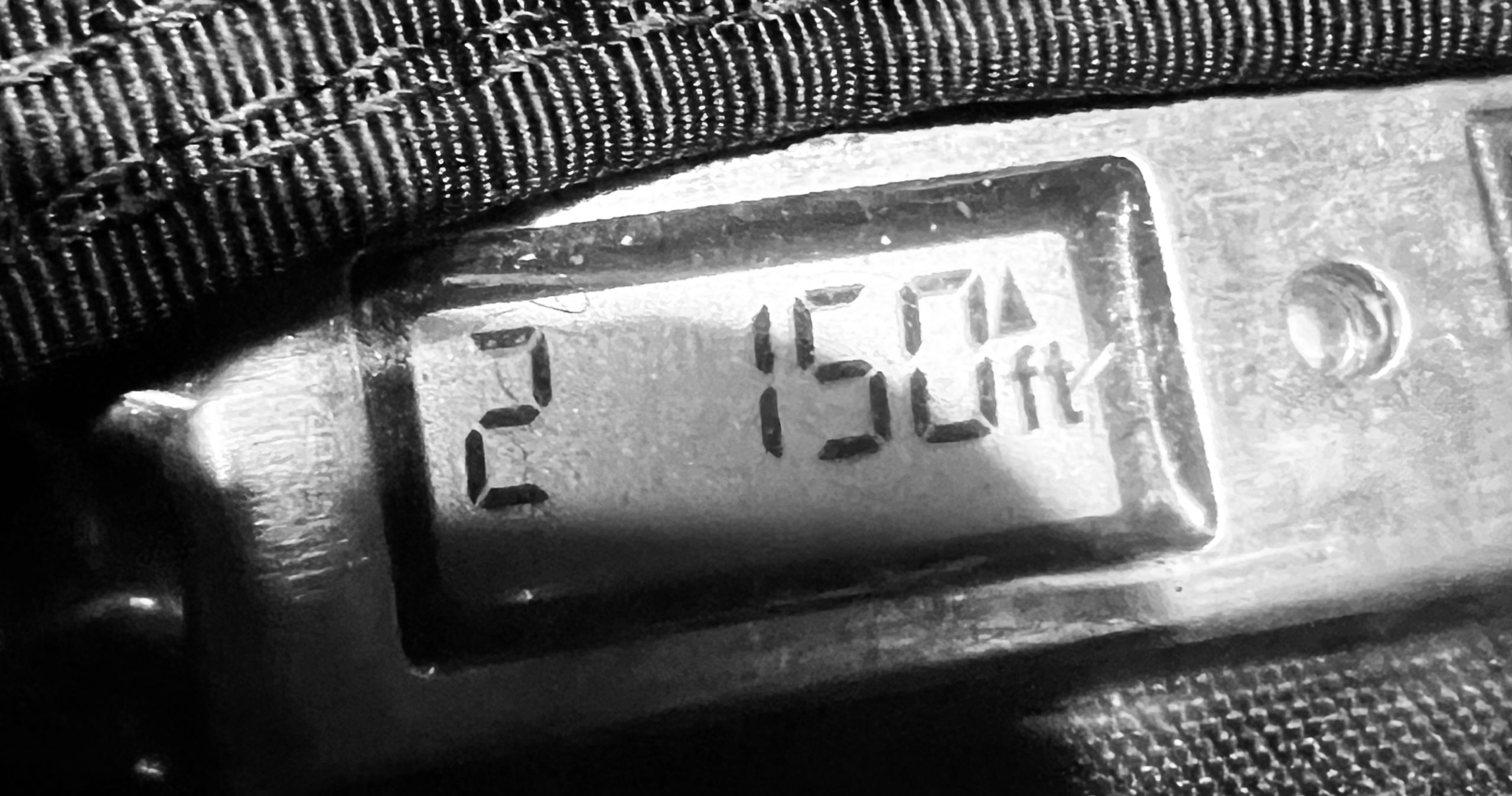
If your innhopp location is higher up than where you are taking off from, it is crucial to enter an offset into your unit. If you don’t then the ground will be rising up under the activation height of your CYPRES. This can make it activate too low to save you.

REMEMBER THIS: If you have an activation altitude adjustment set into your unit, it remains in play together with a single jump offset. Entering an offset for an innhopp does not remove or alter your activation altitude adjustment.
Landing Lower Down
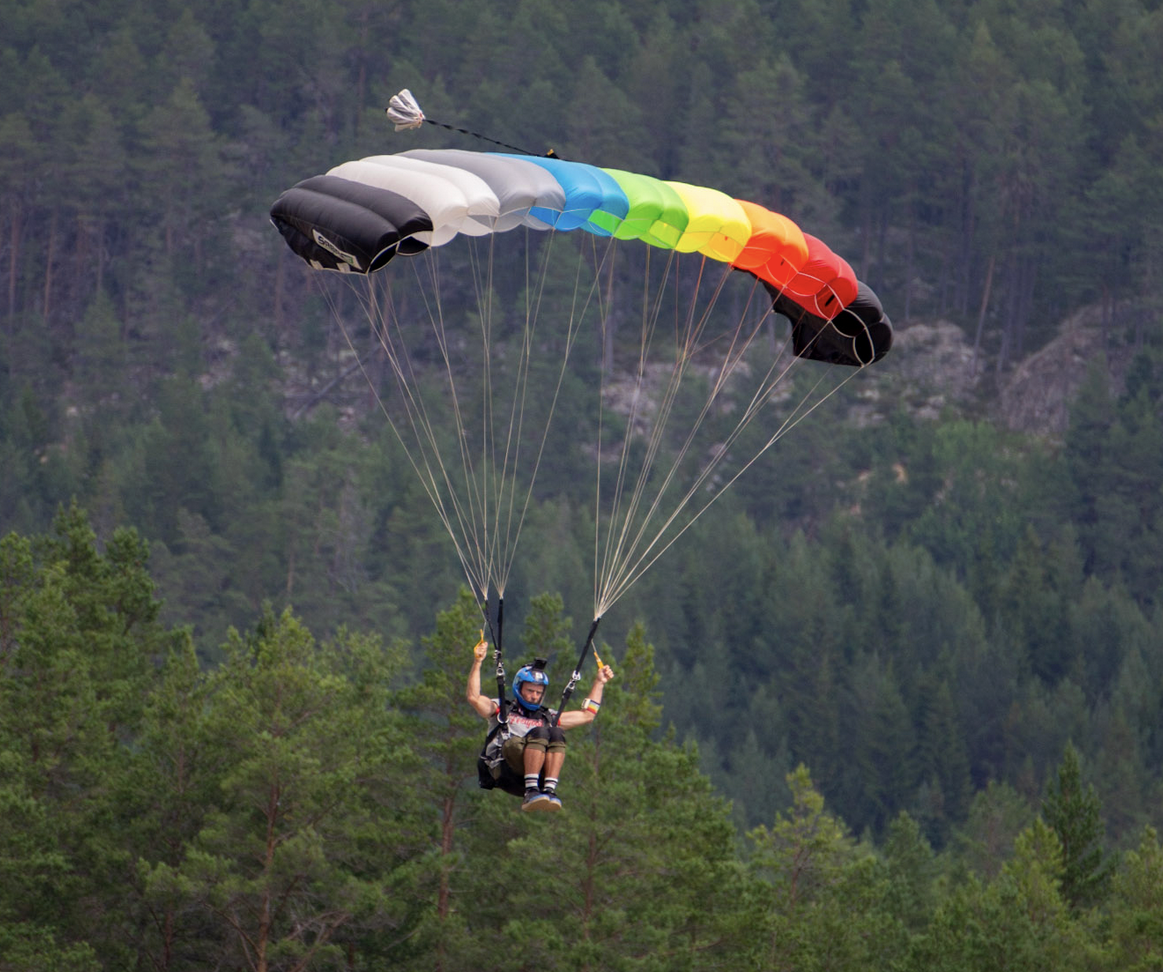
If your innhopp location is lower down than where you are taking off from, it is good practice to still enter an offset into your unit. If you don’t then the ground will be dropping underneath you and increasing the activation height of your CYPRES. A big enough change in height can interfere with your jump by bringing your activation height too close to your deployment altitude, which is not good. Even if the elevation change is negligible, do the correct offset anyway – when tasks pile up we revert to habits we have built.

REMEMBER THIS AGAIN: If you have an activation altitude adjustment set into your unit, it remains in play together with a single jump offset. Entering an offset for an innhopp does not remove or alter your activation altitude adjustment.
Adventure, Tips, and Adrenaline
Subscribe to Our Newsletter
By signing up for our newsletter you declare to agree with our privacy policy.